
Artificial Intelligence and Mental Health: Chatbots, Apps, and Ethical Issues
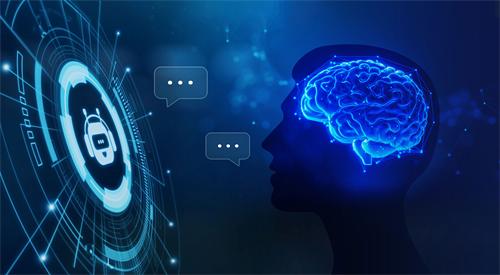
In recent years, artificial intelligence (AI) has rapidly transformed industries, with mental health care being one of the most impactful sectors. AI chatbots and apps have emerged as innovative tools designed to provide convenient, scalable, and cost-effective mental health support. These technologies hold great promise for bridging the gap in mental health care, particularly in underserved communities. However, as AI becomes more widespread, concerns about its safety, effectiveness, and ethical implications are growing.
The Rise of AI in Mental Health Care
The integration of AI and mental health care has led to a variety of digital interventions, including chatbots and mobile apps, designed to support individuals with mental health issues. These tools leverage natural language processing (NLP) and machine learning algorithms to guide users in therapeutic conversations and provide mood tracking and coping strategies.
Chatbots: Digital Companions
AI chatbots, such as Woebot, Wysa, and Replika, have been developed to simulate therapeutic interactions. These platforms use evidence-based cognitive behavioral therapy (CBT) techniques to help users manage symptoms of anxiety, depression, and stress. Unlike human therapists, chatbots can provide immediate responses at any time of day, offering comfort during times of emotional distress.
A study of Woebot found that users who interacted with the chatbot for two weeks reported significant reductions in anxiety and depression symptoms. Another AI-based chatbot, Wysa, combines cognitive behavioral therapy (CBT), dialectical behavioral therapy (DBT), and motivational interviewing techniques, adjusting its responses based on user input and engagement patterns. Users report feeling heard and supported even when interacting with AI systems.
Mobile Apps: Comprehensive Mental Health Tools
Mobile apps such as Calm, Headspace, and Youper offer guided meditation, sleep assistance, mood tracking, and stress reduction exercises. These apps aim to promote overall mental health and are often used as supplemental tools to traditional therapy. A 2023 study examining mindfulness apps found that regular users reported improved emotional regulation and sleep quality, demonstrating the potential for AI-assisted mental health interventions in everyday life.
Furthermore, some apps integrate wearable technology data, such as heart rate and sleep patterns, to provide personalized insights. This multimodal approach enables AI to detect early warning signs of stress or worsening mood, potentially preventing mental health crises from escalating.
Benefits of AI in Mental Health
There are several potential benefits to adopting AI in mental health care:
1. Accessibility
AI tools provide 24/7 mental health support services, making it easier for individuals to seek help at any time. This is particularly beneficial for populations in remote areas or with limited access to mental health professionals. AI can also help address the global shortage of mental health providers, particularly in low-income countries.
2. Cost-Effectiveness
Traditional therapies are expensive and often have limited insurance coverage. AI applications often offer free or low-cost alternatives, lowering the financial barrier to accessing mental health care. For example, in some regions, a single treatment session can cost as much as $150, while subscriptions to AI mental health apps can cost less than $10 per month, making mental health support more affordable for more people.
3. Anonymity
Some people may prefer to discuss sensitive issues with non-human entities. AI chatbots can provide a sense of anonymity, encouraging users to open up about their mental health concerns without fear of judgment. This is particularly valuable for groups facing stigma, such as the LGBTQ+ community or trauma survivors.
4. Early Detection
AI tools can monitor user interactions and detect early signs of mental health issues. By analyzing language and behavioral patterns, these systems can alert users to potential issues and recommend appropriate interventions. This proactive approach can prevent symptoms from worsening and reduce the need for emergency intervention.
5. Data-Driven Personalization
AI can leverage massive data sets to identify patterns and tailor interventions to each individual. For example, chatbots can adjust the frequency, tone, and type of interactions based on user feedback, creating a more personalized treatment experience. This dynamic adjustment is difficult to achieve in traditional therapy due to time constraints and limited resources.
Challenges and Ethical Issues
While the use of AI in mental health care offers many advantages, it also presents challenges and ethical dilemmas:
1. Lack of Human Empathy
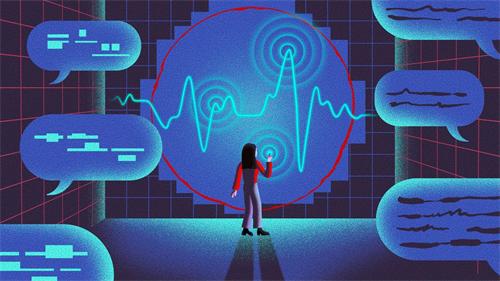
Although sophisticated, AI systems lack the genuine empathy and understanding possessed by human therapists. This lack may limit the effectiveness of AI interventions, especially in complex or severe cases. Human therapists can interpret nonverbal cues, contextualize the patient's experience, and provide nuanced guidance, abilities that AI cannot currently fully replicate.
2. Privacy and Data Security
Mental health data is highly sensitive. The collection, storage, and use of this data by AI applications raises serious privacy concerns. The risk of data breaches or misuse could lead to unauthorized access to personal information. Ensuring secure encryption, clear data governance policies, and user consent agreements are crucial to maintaining trust in these technologies.
3. Informed Consent
Users may not fully understand the capabilities and limitations of AI tools. Ensuring that users fully understand how their data will be used and the nature of AI responses is essential for ethical practice. This includes clarifying that AI chatbots are not a substitute for professional treatment and that severe mental health crises require human intervention.
4. Overdependence
There are concerns that people may over-rely on AI tools, neglecting traditional treatment or support options. This over-reliance could delay seeking professional help. AI should be viewed as a complement to human care, not a replacement.
5. Security Risks
In extreme cases, interactions with AI chatbots could lead to harmful consequences. For example, there have been reports of users receiving inappropriate advice or being denied emergency intervention during crises. These incidents highlight the need for strict monitoring, content safety controls, and integration with professional support networks.
Regulation and Safety Measures
To mitigate these risks, developers and regulators are implementing various safety measures:
Age Verification: AI platforms are adopting age verification systems to protect minors from potentially harmful content.
Content Restrictions: AI is being programmed to avoid discussions of suicide or self-harm, particularly with vulnerable users.
Parental Controls: Features are being introduced to allow parents to monitor interactions with AI tools to ensure child safety.
Ethical Frameworks: Organizations are developing ethical guidelines to govern the use of AI in mental health, emphasizing transparency, accountability, and user well-being.
Human Supervision: Combining AI tools with human supervision can ensure that users at risk of serious mental health crises receive timely intervention.
The Future of AI in Mental Health
AI holds a promising future in mental health care, but it must be approached with caution and responsibility. Continued research is needed to improve the effectiveness, safety, and cultural sensitivity of AI tools. Collaboration between technologists, mental health professionals, ethicists, and policymakers is crucial to shaping a future where AI can serve as a beneficial adjunct to traditional mental health care.
As AI develops, it is crucial to maintain a human-centered approach. AI technologies should augment, not replace, the compassionate care provided by human therapists. Emphasizing transparency, data protection, and accessibility will ensure that AI-based mental health tools positively promote individual and societal well-being.
AI chatbots and apps have the potential to revolutionize mental health care by providing convenient, cost-effective, and scalable support. Real-world evidence from universities, workplaces, and social platforms demonstrates their ability to improve emotional well-being, reduce stress, and provide early intervention. However, their integration must be accompanied by careful consideration of ethical issues, including privacy, informed consent, safety, and human empathy.
By proactively addressing these issues and combining AI tools with human oversight, we can leverage the benefits of AI while mitigating potential harms. As global mental health challenges continue to intensify, AI offers an innovative path forward—one that prioritizes accessibility, personalization, and ethical responsibility. Through continued research, collaboration, and regulation, AI can become a vital ally in supporting mental health globally, providing timely, personalized, and compassionate care to those who need it most.