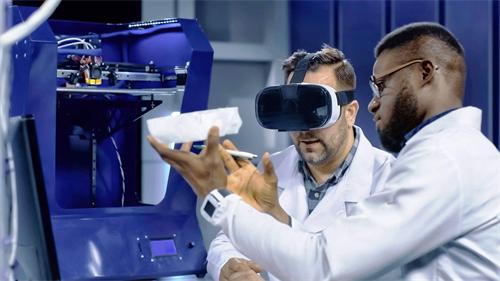
The Role of Artificial Intelligence in Early Disease Detection: Where We're Headed So Far
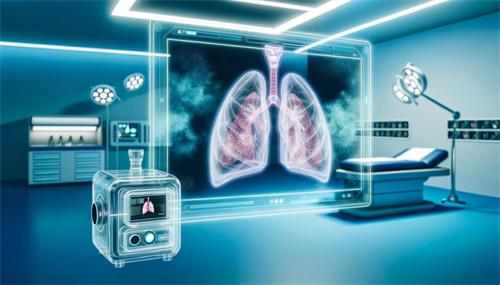
In recent years, the integration of artificial intelligence (AI) into healthcare has revolutionized how we detect disease. AI's ability to quickly and accurately analyze vast amounts of data has significantly improved the ability to identify disease early, often before symptoms appear. This proactive approach not only improves treatment outcomes but also reduces healthcare costs and improves patients' quality of life.
The Role of AI in Early Disease Detection
AI encompasses a range of technologies, including machine learning, deep learning, and natural language processing, enabling systems to learn from data and make decisions with minimal human intervention. In healthcare, AI systems are trained on massive datasets containing medical images, genetic information, medical history, and lifestyle factors. By identifying patterns in this data, AI can identify subtle indicators of disease, often earlier than traditional methods.
AI not only accelerates diagnosis but also fundamentally changes how healthcare is delivered. Traditionally, patients often wait until symptoms appear before seeking medical attention, while healthcare professionals rely on manual observation and testing to detect illness. Artificial intelligence can detect subtle microbial markers that are imperceptible to the human eye, shifting healthcare from reactive to proactive.
Key Application Areas of AI in Early Disease Detection
Medical Imaging
One of the most prominent applications of AI is in medical imaging. AI algorithms can analyze X-rays, MRIs, CT scans, and other imaging modalities to detect abnormalities for conditions such as cancer, cardiovascular disease, and neurological disorders.
Cancer Detection
AI systems have demonstrated remarkable accuracy in identifying early signs of various cancers, including breast, lung, and skin cancers. For example, AI models for mammography show fewer false positives and false negatives than human experts, improving the accuracy of breast cancer screening.
Breast Cancer: Deep learning algorithms analyze mammograms to detect microcalcifications and small lesions. Studies have shown that AI can reduce false negatives and false positives, thereby improving early diagnosis.
Lung Cancer: AI-assisted CT scans can detect nodules as small as a few millimeters. A study published in the Journal of the American Medical Association found that AI models can detect lung cancer up to 12 months earlier than traditional radiology methods.
Skin Cancer: AI image recognition models can classify dermoscopic images with dermatologist-level accuracy, enabling early melanoma detection.
Neuroscopy
In neurology, AI is being used to detect early signs of Alzheimer's disease. AI-enhanced MRI technology can identify changes in the hippocampus and brain circuitry years before clinical symptoms appear.
● AI-enhanced MRI scans can detect hippocampal atrophy or subtle changes in brain connectivity years before symptoms appear.
● Analysis of speech and movement patterns can reveal early signs of Parkinson's disease.
● AI models that analyze brain activity patterns can predict the risk and progression of neurodegenerative diseases, thereby facilitating preventive interventions.
Genomic Medicine
AI's capabilities extend to genomic data analysis, helping to identify gene mutations and susceptibility to various diseases. By analyzing DNA sequences, AI can predict an individual's risk for diseases such as cancer, heart disease, and rare genetic disorders.
AI models can predict an individual's susceptibility to over 1,000 diseases by analyzing anonymized health data. These models consider factors such as medical history, lifestyle choices, and demographic information to predict long-term health outcomes.
Wearable Health Technology
The proliferation of wearable devices has provided a wealth of real-time health data that AI systems can analyze to detect early signs of disease. These devices monitor vital signs such as heart rate, blood pressure, and blood oxygen levels, providing continuous health monitoring.
AI algorithms process data from wearable devices to identify subtle patterns that could indicate the onset of chronic conditions such as diabetes, hypertension, or arrhythmias. For example, an irregular heartbeat detected by a smartwatch can prompt early evaluation for atrial fibrillation, significantly reducing stroke risk.
Beyond individual monitoring, aggregated wearable data is increasingly being used to detect health trends at the population level, helping public health officials predict disease outbreaks or manage the prevalence of chronic diseases in specific communities.
Natural Language Processing (NLP)
AI-powered natural language processing (NLP) tools are used to analyze unstructured data from clinical notes, research papers, and electronic health records. By extracting relevant information, these tools help identify emerging health trends and potential outbreaks.
Disease Surveillance: In public health, AI-powered NLP systems scan vast amounts of text data to detect early warnings of infectious disease outbreaks, enabling rapid response and containment measures.
Success Stories and Current Implementations
Several institutions and companies have successfully implemented AI-powered solutions for early disease detection:
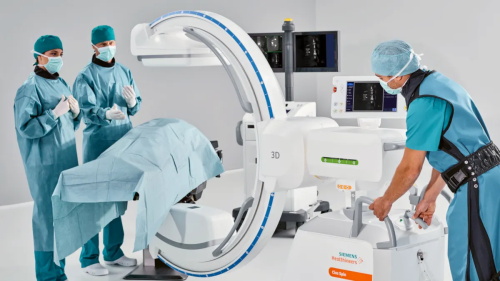
Siemens Healthineers: The company developed an AI-based predictive model to identify patients at risk for severe liver disease, thereby facilitating early diagnosis and intervention.
Qure.ai: This AI startup specializes in analyzing chest X-rays to detect early-stage tuberculosis, particularly in underserved areas, thereby improving access to timely treatment.
Google Health: Its AI model for mammogram analysis has set a new benchmark for breast cancer detection, surpassing human experts in accuracy and efficiency.
These examples highlight the transformative impact of AI in improving diagnostic accuracy and accessibility in healthcare.
Challenges Facing AI-Powered Early Disease Detection
Despite encouraging progress, integrating AI into early disease detection still faces several challenges:
Data Privacy and Security
The use of massive amounts of personal health data raises concerns about privacy and security. Ensuring that AI systems comply with regulations such as the Health Insurance Portability and Accountability Act (HIPAA) is critical to protecting patient information.
Algorithmic Bias
An AI model is only as good as the data it's trained on. If the training data lacks diversity, the resulting model may be biased, leading to disparate healthcare outcomes for different populations.
Regulatory Approval
Obtaining regulatory approval for AI-based diagnostic tools can be a lengthy and complex process. Regulators must develop clear guidelines to evaluate the safety and efficacy of these technologies.
Integration into Clinical Practice
Integrating AI systems into existing healthcare workflows requires significant changes to infrastructure and training. Healthcare professionals must possess the necessary skills to effectively utilize AI tools.
The Future of AI in Early Disease Detection
Looking ahead, the role of AI in early disease detection will expand further:
Personalized Medicine: AI's ability to analyze individual genetic profiles and lifestyle factors will lead to more personalized treatment plans and optimize treatment outcomes.
Global Health Initiatives: AI can play a key role in global health by enabling early detection of disease in resource-limited settings and improving global health equity.
Continuous Monitoring: The combination of AI and wearable technology will facilitate continuous health monitoring, enabling early detection of diseases and proactive management.
AI is revolutionizing early disease detection by providing tools that improve the accuracy, efficiency, and accessibility of healthcare. While challenges remain, continued advancements in AI technology hold the promise of enabling earlier disease detection and treatment, improving health outcomes for people worldwide. As AI continues to advance, its integration into healthcare systems will undoubtedly play a key role in shaping the future of medicine.