The Surge in Plant-Based Protein Products: Are They Really as Good as People Think?
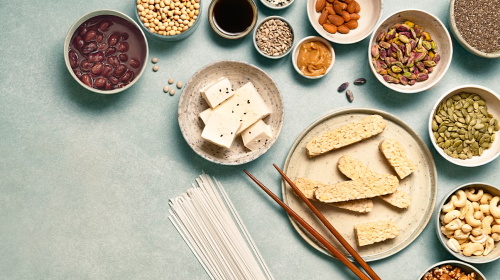
Over the past decade, plant-based protein products have evolved from a niche market into the mainstream. Once confined to specialty health stores and vegan restaurants, these products now dominate supermarket shelves, restaurant menus, and generate buzz on social media platforms. This surge reflects not just a passing fad but also a profound shift in consumer preferences.
One of the primary drivers of this growth is growing awareness of the environmental issues associated with animal agriculture. Concerns about greenhouse gas emissions, water use, and land sustainability are prompting consumers to explore plant-based alternatives. At the same time, growing concerns about animal welfare are encouraging people to seek out ethically sourced protein.
Health factors also play a central role. Rising rates of chronic diseases such as heart disease, diabetes, and obesity are prompting people to reconsider traditional diets rich in animal protein. Many are turning to plant-based protein products to improve overall nutrition, reduce saturated fat intake, and increase fiber and beneficial micronutrients.
Advances in food technology are further accelerating this trend. Modern processing techniques have made plant-based products more appealing than ever, improving their taste, texture, and versatility. Combined with effective marketing and a widespread emphasis on high-protein diets, these factors have created the perfect environment for plant-based proteins to rapidly gain popularity among a wide range of consumers.
Criteria for Evaluating Protein Products
Before making a judgment, it's important to clarify the criteria by which these foods are evaluated:
Nutritional Completeness—Does each serving provide all the essential amino acids and adequate protein?
Bioavailability and Digestibility—How efficiently can the body absorb and utilize the protein?
Health Outcomes—Do they improve long-term health markers such as cardiovascular risk, metabolic balance, and lifespan?
Safety—Are they free of contaminants, excess sodium, or unnecessary additives?
Environmental and Ethical Impacts—How sustainably are they produced?
Practicality and Consumer Experience—Are they affordable, delicious, and easy to incorporate into meals?
With these criteria in mind, let's explore what current research and real-world experience reveal.
Nutritional Advantages of Plant Protein Products
Fiber, Antioxidants, and Micronutrients
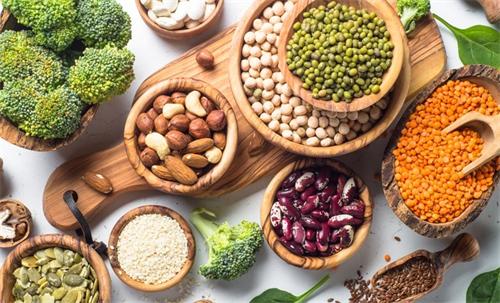
Unlike many animal proteins, plant proteins are often rich in dietary fiber, antioxidants, phytochemicals, vitamins, and minerals. This makes them advantageous for supporting gut health, reducing inflammation, and improving cholesterol levels. Foods like legumes, nuts, seeds, and whole grains provide not only protein but also compounds that protect against chronic disease.
Low in Saturated Fat and No Cholesterol
Plant proteins are naturally low in saturated fat and contain no dietary cholesterol. This makes them beneficial for reducing risk factors associated with heart disease and high blood pressure. People who replace red or processed meat with plant proteins consistently have lower rates of cardiovascular disease and type 2 diabetes.
Longer Life and Reduced Disease Risk
Long-term studies have shown that diets rich in plant protein can help extend lifespan and reduce the risk of dying from cancer or heart disease. People who replace large amounts of animal protein with plant protein often see protective effects for decades. This means that switching to plant protein isn't just about avoiding harm—it can also actively support resilience and longevity.
Kidney Health
Growing evidence suggests that consuming more plant protein may reduce the risk of chronic kidney disease. This may be linked to lowering dietary acid load, reducing inflammation, and improving blood pressure regulation. Even people with pre-existing conditions like hypertension or diabetes appear to benefit from replacing animal protein with plant protein.
Weighing the Pros and Cons
While plant proteins offer many advantages, they also have some drawbacks. They may be deficient in certain areas.
Amino Acid Incompleteness and Lower Bioavailability
Many plant proteins are "incomplete," meaning they lack sufficient amounts of one or more essential amino acids. While soy, quinoa, and some blends are complete, other plant proteins, such as rice or pea protein, require a complementary source. Even when amino acids are present, plant proteins can sometimes be more difficult to digest and absorb due to naturally occurring compounds like phytic acid and lectins.
Practically speaking, this means that consuming the same amount of plant protein may not produce the same muscle-building or repair effects as the same amount of animal protein.
Larger Serving Size Required
Because plant proteins are less concentrated and sometimes less bioavailable, larger servings may be required to meet daily protein needs. This can be challenging for athletes, the elderly, or those recovering from illness.
Additives, Processing, and Hidden Ingredients
Many plant-based protein products are highly processed to mimic the taste and texture of animal products. This often involves additives, high sodium levels, or added sugars. Some meat substitutes use coconut or palm oil to mimic the texture, which can increase saturated fat levels. Testing has revealed contaminants such as heavy metals in protein powders and bars, raising safety concerns.
Nutrient Gaps: Vitamin B12, Iron, and Omega-3s
While plant-based proteins are rich in fiber and antioxidants, they often lack certain key nutrients found in animal-based proteins. Vitamin B12, heme iron, zinc, and long-chain omega-3 fatty acids are difficult to obtain from plant sources alone. Unless fortified or supplemented, nutrient deficiencies can occur, especially in pregnant women, children, and the elderly.
Practical Tips for Getting the Most from Plant-Based Protein
Start by choosing whole foods: Lentils, beans, chickpeas, tempeh, tofu, quinoa, nuts, and seeds provide unprocessed, nutrient-rich protein.
Mix and match sources: Combine foods like rice and beans, or hummus and whole-wheat bread, to ensure a complete amino acid profile.
Watch for missing nutrients: Consider fortified products or supplements for vitamin B12, iron, zinc, iodine, and omega-3s.
Understand labels: Watch for sodium, added sugars, and saturated fat in processed alternatives.
Seek variety: Rotate your protein sources and avoid over-reliance on powders or bars.
Spread out your meals: This helps maximize protein absorption and supports muscle maintenance.
Are They As Good as They Feel?
When weighing the benefits and drawbacks of plant-based protein products, the answer is nuanced. For many people, these products are very good and, in some cases, may even be superior to certain animal protein sources. However, they are not a perfect substitute in every situation, and their effectiveness depends on factors such as nutrient content, processing, and individual dietary needs.
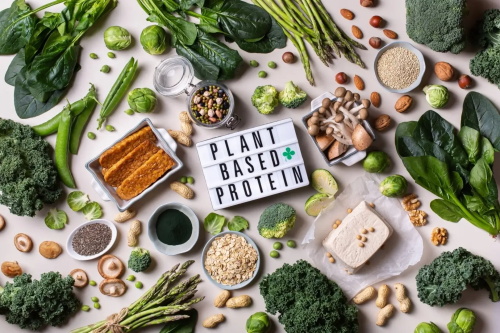
Plant-based proteins excel in several areas. They tend to support heart health, reduce the risk of metabolic diseases, and provide beneficial phytochemicals. Diets rich in plant protein are also associated with longer lifespan and lower incidence of chronic diseases. In terms of environmental and ethical considerations, plant proteins clearly have the edge over animal proteins, making them appealing for eco-conscious consumers.
At the same time, there are limitations. Many plant proteins are incomplete, lacking one or more essential amino acids, and their bioavailability can be lower than that of animal proteins. Processed plant-based products may also contain added sodium, sugar, or saturated fats, which can diminish their health benefits. For those with higher protein needs—such as athletes, older adults, or individuals recovering from illness—these factors require careful planning to ensure adequate intake and proper nutrient balance.
The surge in plant-based protein products reflects a significant cultural and nutritional shift. They offer clear advantages: improved heart health, reduced risk of chronic disease, and reduced environmental impact. But they also present challenges: nutritional gaps, processing deficiencies, and lower protein efficiency for certain groups.