
Longevity Supplements: Separating Hype from Evidence
The idea of slowing aging with a simple pill or supplement in pursuit of a longer, healthier life is undoubtedly appealing. From glossy magazine ads to social media influencers touting "biological age reversal," longevity supplements promise to fulfill a long-held human dream: not only extending lifespan but also improving quality of life. However, behind the marketing hype lies complex science. Some compounds show real potential in slowing cell damage, reducing inflammation, or improving metabolic health, while others are little more than expensive placebos. Understanding which supplements truly work and which claims are exaggerated is crucial for anyone considering investing in their long-term health.
The Biology of Aging
Before evaluating supplements, it's important to understand the true biological meaning of "aging." Scientists believe that aging results from a complex interplay of cellular and molecular processes, including:
Accumulation of molecular damage: DNA damage and oxidative stress gradually impair cellular function.
Inflammation: Chronic, low-level inflammation, often referred to as "inflammaging," is associated with many age-related diseases.
Cellular senescence: Cells stop dividing but don't die, creating a pro-inflammatory environment.
Mitochondrial dysfunction: The decline of the energy-producing part of the cell reduces efficiency and resilience.
Dysregulated nutrient sensing: Pathways such as mTOR, AMPK, and sirtuins regulate metabolism and aging; imbalances can accelerate aging.
Loss of proteostasis: A decreased ability to maintain healthy proteins leads to misfolding and cellular stress.
Epigenetic changes: Alterations in DNA methylation and histone modifications affect gene expression and cellular behavior.
Longevity supplements typically aim to affect one or more of the following: repairing damage, reducing inflammation, improving mitochondrial efficiency, or modulating nutrient-sensing pathways.
The gap between hype and evidence
Many supplements marketed as longevity are based primarily on preliminary studies in animals, cell culture, or small human trials. Translating these findings into meaningful benefits for humans is challenging.
Key issues include:
Translation from animals to humans: While a compound may extend lifespan in worms or mice under controlled laboratory conditions, human biology is far more complex.
Small Sample Size and Short Duration: Many human studies are too short or involve too few participants to determine long-term results.
Reliance on Surrogate Markers: Biomarkers such as telomere length or epigenetic clocks may not perfectly predict disease prevention or lifespan extension.
Commercial Bias: Aggressive marketing often exaggerates benefits while selectively citing scientific research.
Individual Differences: Genetics, lifestyle, and health status significantly influence how people respond to supplements.
Safety Concerns: Supplements may interact with medications or pose unknown long-term risks.
Supplements with the Strongest Evidence
While no single supplement has proven to extend human lifespan, some have shown greater potential than others. Omega-3 fatty acids, particularly EPA and DHA, are among the most studied. These essential fats help reduce inflammation and support cardiovascular and brain health. Studies have shown that taking about one gram daily for three years in older adults can delay biological aging by about three months, with even greater benefits when combined with vitamin D and exercise. Additionally, some studies have linked omega-3 fatty acid supplementation to reduced infection, fewer falls, and a lower risk of cancer. Spermidine is a naturally occurring polyamine that plays a role in processes such as autophagy, the cellular cleanup and recycling system. Animal studies suggest that spermidine may extend lifespan and reduce inflammation, while observational studies in humans have found that higher dietary intake is associated with lower cardiovascular mortality. However, randomized controlled trials in humans are limited, and its long-term safety and optimal dosage remain under investigation.

Taurine, an amino acid involved in antioxidant defense and various cellular functions, has shown lifespan-extending effects in animal models, with some studies demonstrating increases of 10% to 12%. Early human studies have had mixed results, and it remains unclear how taurine supplementation affects aging in humans or what the ideal dosage should be.
Nicotinamide riboside (NR), nicotinamide mononucleotide (NMN), and other NAD+ enhancers work by increasing NAD+, a molecule essential for cellular metabolism, DNA repair, and various aging-related pathways. Animal studies suggest that these supplements may benefit lifespan and health, and small human trials suggest that they can increase NAD+ levels and may improve certain metabolic markers. However, their long-term effects on human aging remain unproven.
Resveratrol and other sirtuin-activating compounds found naturally in certain plants were initially hailed as "calorie restriction mimetics." Early animal studies showed promise, and some human trials also observed modest improvements in blood pressure, inflammation, and metabolic markers. However, these compounds have low bioavailability in humans, and study results have been inconsistent.
Finally, vitamins and minerals are essential for correcting nutritional deficiencies and can significantly improve health. However, for healthy adults without nutritional deficiencies, routine multivitamin use has minimal effects on lifespan. Overdose carries potential risks, and the quality of supplements varies widely.
Lifestyle Foundations for Longevity and Supplement Integration
Longering a healthier, longer life involves more than just taking the right supplements; it's about adopting a lifestyle that supports the body's natural resilience and repair mechanisms. While supplements are important, they are most effective when integrated into a comprehensive, evidence-based daily routine.
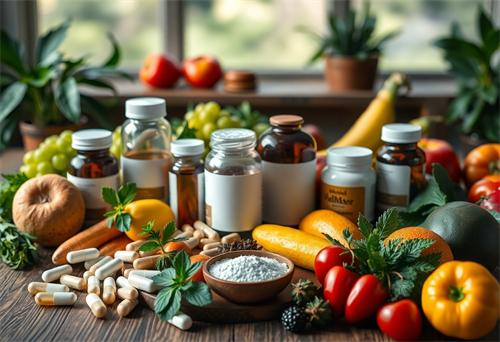
Core Lifestyle Pillars
1. Nutrition:
A nutritious diet is essential. Emphasize the consumption of whole, minimally processed foods, focusing on fruits, vegetables, whole grains, lean proteins, and healthy fats. Diets such as the Mediterranean or plant-based diets have been shown to help reduce inflammation and lower the risk of chronic disease. Consuming foods rich in phytonutrients can help offset signs of aging and reduce the risk of disease.
Frontiers
2. Physical Activity:
Regular exercise, including aerobic and resistance training, improves cardiovascular health, muscle mass, and metabolic function. It also reduces the risk of chronic disease and supports cognitive health. Maintaining physical activity is one of the most effective strategies for slowing biological aging and improving overall healthspan.
Major Events
3. Sleep:
Aim for 7-9 hours of quality sleep each night. Sleep is essential for cellular repair, memory consolidation, and immune function. Chronic sleep deprivation can accelerate the aging process and increase the risk of various health problems.
4. Stress Management:
Chronic stress can accelerate aging and contribute to a variety of health problems. Incorporate stress reduction practices, such as mindfulness meditation, deep breathing exercises, yoga, or time spent in nature, to promote physical and mental well-being.
5. Social Connections:
Maintain good social connections and build meaningful relationships. Positive social interactions are linked to better mental health, reduced stress, and a longer lifespan.
6. Avoid Exposure to Tobacco:
Limit or eliminate tobacco, excessive alcohol, and other harmful substances. These can accelerate aging and increase the risk of chronic disease.
Incorporate Supplements into Your Daily Life
Supplements should complement, not replace, a healthy lifestyle. When considering supplements, focus on evidence-based options that support your health goals.
Morning:
● Multivitamin: Choose a high-quality multivitamin to fill any nutritional gaps.
● Omega-3 Fatty Acids: If your diet is low in fatty fish, consider supplementing with omega-3 fatty acids. Omega-3 fatty acids have been shown to reduce inflammation and benefit heart and brain health.
● Vitamin D: If you don't get much sun, this is especially important as it supports bone health and immune function.
Afternoon:
● Protein-Rich Meal: Include lean protein sources to support muscle maintenance and repair.
● Phytonutrient-Rich Foods: Include a variety of brightly colored fruits and vegetables to provide antioxidants and other beneficial compounds.
Evening:
● Magnesium: Supplementing with magnesium can help muscles relax and improve sleep quality.
● Herbal Teas: Consider teas like chamomile or valerian to promote relaxation before bed.
Monitoring and Adjusting
Regularly assess your health through physical exams and laboratory tests to ensure your lifestyle and nutritional supplementation strategies are effective. Feel free to adjust your daily diet based on changes in your health, new scientific evidence, or personal preferences.