
Climate Change and Public Health: Heatwaves, Wildfires, and Rising Respiratory Risks
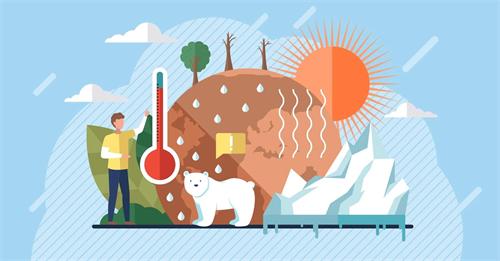
Climate change is no longer a distant threat—it is reshaping daily life around the world. Its many consequences include rising temperatures, more frequent and intense heatwaves, and an increase in wildfires. These phenomena are not just environmental concerns; they pose serious health risks, particularly to respiratory health. In this article, we examine how these climate-driven events intersect with public health, focusing on respiratory illnesses, mortality rates, vulnerable groups, and which interventions are working (or need to be scaled up).
Trends Revealed: Heatwaves and Mortality
Heatwaves primarily stress the cardiovascular and thermoregulatory systems, leading to dehydration, heatstroke, kidney stress, and an increased risk of heart attack and stroke, especially when high temperatures persist throughout the day and night. Vulnerable populations include the elderly, infants, people with chronic health conditions, outdoor workers, and low-income households with limited access to cooling facilities. Recent data clearly demonstrate a sharp increase in the health risks associated with extreme heat.
● In 2024, heat-related deaths in Europe exceeded 62,700.
● Between 1990 and 2019, heat waves killed an average of more than 150,000 people worldwide each year.
● In the United States, heat-related deaths more than doubled from 1999 to 2023, an increase of 117%.
These are not just numbers: they reflect a shifting baseline. Regions that once experienced occasional high temperatures are now experiencing them regularly. Heat waves have increased in frequency, intensity, and geographic extent, driven by rising greenhouse gas concentrations, the urban heat island effect, and changing weather patterns. Some nuances are particularly important:
Combined heat waves—those with both daytime and nighttime heat—are particularly deadly for cardiovascular health. One study found that these combined heat waves led to a significant increase in heart disease deaths, a larger increase than those associated with daytime or nighttime heat waves.
Adaptation measures have so far reduced some risks, especially in more developed regions, but unless interventions are significantly scaled up, the protective effect may be reaching its limits. For example, while Europe's heat-related mortality rate is projected to decline in 2023 due to prior adaptation measures, approximately 47,700 people will still die from heat-related deaths.
What people can do:
● Stay hydrated and avoid strenuous outdoor activity during hot weather.
● Use air conditioning or visit a cooling center whenever possible.
● Wear lightweight, breathable clothing.
● Check on vulnerable neighbors, family members, or community members.
Wildfires, Air Pollution, and Respiratory Health
Another challenge is wildfires. As climate change leads to warmer and drier conditions in many regions, wildfires are becoming more frequent and intense, making them more likely to trigger severe smoke events. This has direct and indirect impacts on lung and respiratory health. A recent US study estimated that wildfire smoke causes approximately 41,000 premature deaths annually, exceeding many other known causes.
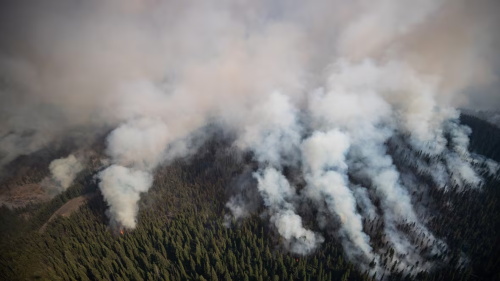
Wildfire smoke is more than just "smoke." It is a complex mixture of gaseous pollutants (carbon monoxide, nitrogen oxides, volatile organic compounds), fine particulate matter (PM2.5, PM10), soot, and sometimes chemical byproducts from burning various fuels. Exposure to fine particulate matter (PM2.5), smoke, and other pollutants can trigger asthma, worsen chronic obstructive pulmonary disease (COPD), cause bronchitis or pneumonia, and reduce lung function over time. Smoke can also indirectly increase cardiovascular risk because tiny particles enter the bloodstream.
Studies have shown that wildfire PM2.5 tends to be more toxic per unit mass than many other sources of PM2.5. For example, wildfire PM2.5 is associated with a greater increase in hospitalizations for respiratory illnesses than non-wildfire sources (approximately 1.3% to 10% for each 10 µg/m³ increase).
Short-term exposure can lead to a surge in asthma attacks, exacerbations of chronic obstructive pulmonary disease (COPD), pneumonia, bronchitis, and other acute respiratory distress syndromes. Children, the elderly, people with existing respiratory or cardiovascular diseases, and low-income individuals are particularly vulnerable.
What people can do:
● Minimize outdoor activity and keep doors and windows closed.
● Use a high-efficiency air filter or HEPA purifier indoors.
● Wear a properly fitted N95 respirator when outdoors.
● Follow local air quality advisories and public health guidance.
Interactions: Heat, Smoke, and Vulnerability
Heatwaves and wildfires often occur simultaneously or interact with each other. Extreme heat can dry out vegetation, increasing the risk of fire ignition and spread. Wildfire smoke, in turn, worsens air quality and, when combined with high temperatures, can increase stress on the respiratory and cardiovascular systems. Key Considerations:
Compounding Risks: Hot, smoky air increases respiratory stress; high temperatures reduce the body's ability to regulate, making it more difficult to cope with inhaled irritants.
High Nighttime Temperatures: Cold nighttime temperatures can impede recovery and increase cumulative exposure. Studies have shown that elevated nighttime temperatures during heatwaves are a key factor in mortality.
Pollen, Humidity, and Co-pollutants: High temperatures can also prolong the pollen season, increase allergen loads, and promote ground-level ozone formation, worsening respiratory illnesses.
How Heat and Smoke Impair Respiratory Health?
Understanding how heat and wildfire smoke impair respiratory health helps explain the rising burden of disease and what medical and policy interventions might help.

Heat Stress and the Respiratory System
High temperatures increase metabolic demand—your body must work harder to cool down. This can reduce ventilation efficiency, especially for people with impaired lung function.
Heat also increases dehydration, damages the respiratory mucosal barrier, generates inflammation, and reduces the ability to clear particulate inhalants.
Particulate Matter, Ozone, and Co-pollutants
Wildfire smoke carries high concentrations of fine particulate matter (PM2.5); these particles can penetrate deep into the alveoli, causing oxidative stress, inflammation, and even enter the bloodstream.
Ground-level ozone often increases during hot weather and high UV conditions, exacerbating asthma and other respiratory conditions.
Wildfire smoke also carries other pollutants, such as nitrogen oxides, carbon monoxide, and volatile organic compounds, which have both short-term and long-term effects.
Synergistic Effects
The combination of high temperatures and air pollution is worse than either alone. High temperatures enhance ozone formation, while pollution impedes cooling; the combined effects can stress the cardiovascular and respiratory systems.
High nighttime temperatures can impede recovery; repeated exposure over days or weeks can exacerbate the damage.
Biological and Developmental Impacts
Children's lungs are still developing; early exposure to smoke or high temperatures may affect long-term lung growth and function.
Immune responses may be impaired, increasing susceptibility to infection.
The interplay of climate change, heat waves, wildfires, and air pollution already poses a public health challenge. Respiratory health is under immense pressure from multiple sources: direct heat stress, inhaled pollutants, a growing allergen burden, and increasing strain on health systems. Without rapid and comprehensive action to reduce greenhouse gas emissions and improve infrastructure and public health systems, the risks will intensify.
Many of the necessary interventions are already known, cost-effective, and increasingly adopted. What remains is political will, adequate investment, equitable resource allocation (especially for the most vulnerable), and public awareness so that people can protect themselves.