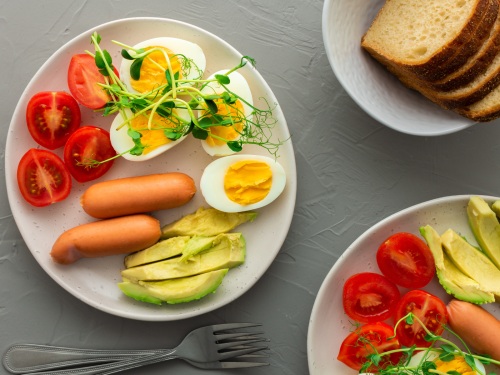
Adapting to the Keto Diet 2
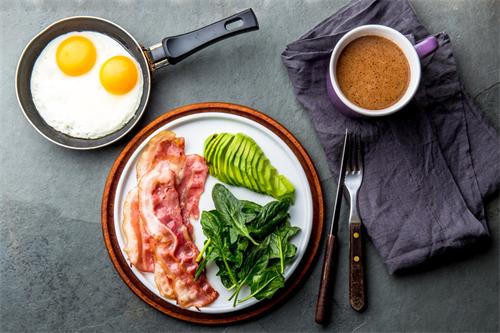
The keto diet has been popular for years. Its touted benefits, such as weight loss, increased energy, reduced appetite, and improved blood sugar control, have led many to adopt its strict low-carb, high-fat framework. However, for many, severe carbohydrate restrictions, limited food choices, mood swings, "keto flu," or social inconvenience ultimately lead to its failure.
This is where Keto 2.0 comes in: a more balanced and sustainable keto diet that retains many of the benefits of keto while reducing its extremes. It is sometimes called "modified keto," "low-carb but more flexible keto," or "keto lite."
Why the switch? What problems does it solve?
People and many nutrition experts have embraced Keto 2.0 for several reasons:
Sustainability and Adherence
Many find a strict keto diet difficult to adhere to. Restricting carbohydrates to extremely low levels can force people to be constantly on guard, can make social interactions difficult, and can even feel restrictive. Keto 2.0 can alleviate these issues while maintaining a regular diet.
Greater Nutritional Variety
The Keto 2.0 diet allows for a wider range of carbohydrate sources (fruits, vegetables, legumes, whole grains), resulting in higher fiber, vitamins, minerals, and antioxidants. Traditional ketogenic diets often suffer from nutrient deficiencies or insufficient fiber intake.
Reduce Side Effects
The extremely low-carb/high-saturated-fat combination of the classic ketogenic diet often leads to issues such as the "keto flu," constipation, low energy, and mood swings. A more moderate intake of carbohydrates, better-quality fats, increased dietary fiber, and improved hydration and mineral (electrolyte) intake can help reduce these issues.
Heart Health and Saturated Fat Issues
Traditional ketogenic diets often rely heavily on saturated fats (butter, heavy cream, high-fat red meat). Keto 2.0 tends to shift toward unsaturated fats (fish, olive oil, nuts), which are more consistent with known cardiovascular health benefits.
Lifestyle and Social Flexibility
Being able to consume more "normal" foods (e.g., a serving of fruit, a serving of whole grains, legumes) can ease the burden of dining out, family meals, travel, and more. This often contributes to better mental health, which is crucial for long-term success.
Potential Health Benefits and Evidence
Although Keto 2.0 is relatively new and less researched than the traditional ketogenic diet, much of what we know comes from: extrapolating rigorous keto studies (regarding weight loss, blood sugar control, appetite suppression, etc.), general observational evidence about low-carb diets, and comparative data from the Mediterranean diet or other "balanced" low-carb approaches. So, what health benefits might Keto 2.0 offer?

Weight and fat loss: Still quite possible, although perhaps not as rapid as with a strict ketogenic diet, as the calorie deficit may be smaller and ketosis less stable. However, with long-term adherence, weight loss may be more sustained.
Glycemic Control/Insulin Sensitivity: Lowering carbohydrate intake can reduce blood sugar spikes; moderate protein can help increase satiety without excessively increasing gluconeogenesis; and healthier fat types can also help control blood sugar. This can be beneficial for those at risk for prediabetes or type 2 diabetes.
Improved Lipids: By choosing the right fats (unsaturated fats, rich in omega-3 fatty acids), Keto 2.0 may help avoid the elevated LDL cholesterol or adverse lipid changes seen in some people who follow a strict ketogenic diet primarily based on saturated fat. However, individual responses vary.
Gut Health: Fiber-rich fruits, legumes, and vegetables help maintain a healthy gut flora and improve bowel regularity. Traditional ketogenic diets often result in insufficient fiber intake.
Mental Health, Mood, and Energy: Less volatility and restrictions may lead to fewer mood swings associated with carbohydrate fluctuations; greater variety may enhance enjoyment; and overall, fewer side effects (such as fatigue or the "keto flu").
Possible Risks of Keto 2.0
But it's not all good. Here are some potential drawbacks or areas of concern:
Lower Potential for Maintaining Ketosis: Carbohydrate intake is increased (approximately 20% of calories), and many people are unable to maintain ketosis consistently. If ketosis is your goal (for example, for therapeutic reasons), Keto 2.0 may not be sufficient.
Weight loss may be slower: Due to the increased carbohydrate intake, calorie intake may slowly increase; fat intake (calorie per gram) may also be higher. Therefore, unless portion size control or energy balance is maintained, weight loss may be slow.
The risk of nutritional imbalances remains: Even when allowing for increased carbohydrate intake, selection is important: focus on whole grains, legumes, dietary fiber, and fruit rather than processed carbohydrates or sugars. Also, pay attention to the quality of protein and the type of fat.
Individual differences: Some people can tolerate higher carbohydrates without adverse effects; others may find that 80–100 grams of carbohydrates causes them to drop out of ketosis or experience a blood sugar spike. Differences in genetics, metabolism, and activity levels also play a role.
Limited high-quality evidence: Because Keto 2.0 is a relatively new approach, long-term research on its health outcomes is limited, particularly regarding chronic disease risk and longevity. Clinical trials remain scarce.
How to Do Keto 2.0 Well: A Practical Guide
If you decide to try Keto 2.0, here are some tips to help you do it in a healthy and sustainable way.
Be clear about your macro goals, but be flexible
A common macronutrient distribution recommendation is approximately 50% fat, 25-30% protein, and 20% carbohydrates. This means consuming approximately 80-100 grams of carbohydrates per day on a 2,000-calorie diet. Adjust your intake based on your calorie needs, activity level, and body response.
Choose your carbohydrate sources wisely, prioritizing
● Carbohydrates that provide added nutrients:
● Non-starchy vegetables
● Berries and other low-glycemic fruits
● Legumes (beans, lentils), if tolerated
● Whole grains (quinoa, oats, brown rice) in moderation
● Avoid or limit refined carbohydrates, sugars, and highly processed grains
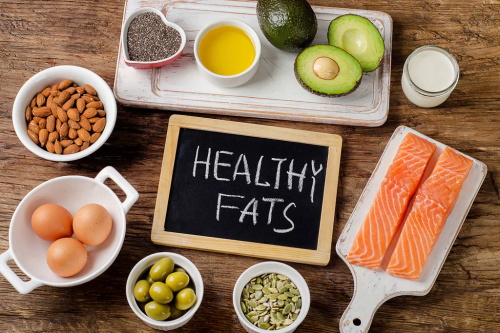
Choose healthy fats
● Emphasize unsaturated fats:
● Olive oil, extra virgin olive oil
● Fatty fish (salmon, sardines, mackerel)
● Nuts and seeds
● Avocados
● Some coconut oil/MCT oil can be consumed in moderation, but be mindful of saturated fat.
Protein: Moderate, prioritize quality
Eat enough protein to maintain lean body mass, repair, and immune function. Choose from:
● Fish, shellfish
● Poultry
● Eggs
● Plant protein: tofu, tempeh, small amounts of beans
● Lean meats
Prioritize fiber, micronutrients, and water
More fiber supports gut health, regular bowel movements, and satiety.
Eating a variety of plant-based foods ensures a higher intake of vitamins and minerals.
Low-carb diets can easily lead to loss of water and minerals, so pay attention to electrolytes: sodium, potassium, and magnesium. Drink plenty of water.
Monitor your body's feedback
Track your energy levels, mood, sleep, digestion, and hunger/fullness.
Increase or decrease your carbohydrate intake based on your feelings and goals.
Lifestyle support: activity, sleep, stress
Physical activity contributes to metabolic health and may help you tolerate more carbohydrates.
Strength training helps maintain lean body mass.
Sleep and stress can affect appetite and blood sugar regulation.
Be patient and expect gradual changes
Because Keto 2.0 is less extreme, changes may occur more slowly, but they are generally easier to maintain in the long run.
Keto 2.0 in Action
Here's a conceptual example of a Keto 2.0 diet of 2,000 calories per day:
Macronutrient Goals: ~50% fat (~122g fat), ~25% protein (~125g), ~20% carbohydrates (~100g)
Breakfast: Scrambled eggs with spinach cooked in olive oil, half an avocado, and berries (1/2 cup)
Lunch: Grilled salmon salad with mixed vegetables, cherry tomatoes, cucumber, walnuts, olive oil, and lemon dressing
Snack: Greek yogurt (unsweetened) with berries and chia seeds
Dinner: Turkey or tofu stir-fry with broccoli, bell peppers, and mushrooms, topped with a small scoop of quinoa; served with salad
Dessert/Optional Snack: Dark chocolate (70% or higher) or a small serving of fruit
This provides variety, plenty of vegetables, healthy fats, moderate protein, and enough carbohydrates to provide satiety and flexibility without reverting to high refined sugars or starches.
Keto 2.0 represents an evolution, not a revolution: it retains many of the proven benefits of a ketogenic or low-carb diet while reducing the restrictive aspects that can make adherence difficult, increase the risk of nutrient deficiencies, or create social or psychological pressures.
If done well, Keto 2.0 can potentially achieve the best of both worlds: sufficient carbohydrates to support metabolic flexibility, greater food variety and enjoyment, improved nutrition, and reduced side effects—all while still achieving the many benefits people seek from a ketogenic diet.
Try it gradually, listen to your body, and consider professional guidance if you have health concerns. With careful consideration, Keto 2.0 can become a sustainable, enjoyable, and healthy way of eating that balances results and quality of life.