Can AI-generated meal plans improve dietary adherence?

When it comes to personal health, nothing is more challenging than sticking to a diet. Whether it's for weight management, managing chronic conditions like diabetes, or improving overall health, adherence has long been a stumbling block. People often start strong, motivated by a new goal or medical advice, but over time, enthusiasm wanes, obstacles pile up, and adherence wanes. Traditional meal plans can feel rigid, time-consuming, or simply not personal. But what if artificial intelligence (AI), particularly large language models (LLMs), could change this? A new wave of AI-powered platforms, such as the emerging NutriGen concept, suggest that personalized, adaptive, and flexible meal plans may finally give people the motivation they need to stay on track.
The Dietary Adherence Problem
Dietary adherence, at its core, refers to how well a person sticks to a prescribed nutrition plan. Clinical and real-world studies consistently show that adherence is one of the most important determinants of the success of dietary interventions. For example, a perfectly designed meal plan for someone with hypertension or diabetes is only effective if the patient actually follows it. Unfortunately, studies show that six months after starting a new diet, adherence rates often hover around 50% or even lower. Why do people struggle? The reasons are complex:
● Taste preferences: Many diets recommend eating foods people don't like.
● Time and convenience: Cooking requires effort, especially for people with busy schedules.
● Cost: Some diets require expensive ingredients or supplements.
● Rigid structure: Traditional plans often fail to adapt to the realities of life—birthdays, travel, stress, or unexpected events.
● Lack of personalization: A one-size-fits-all approach doesn't account for cultural context, food intolerances, or personal goals.
This is where AI comes in—it promises to create meal plans that are not only nutritious but also engaging, adaptable, and customizable in ways that humans can't manage at scale.
What is NutriGen?
NutriGen is a conceptual framework that combines nutrigenomics (the study of how genes influence how individuals process and respond to nutrients) with the computational power of large language models. Imagine an AI system that understands your unique genetic profile and lifestyle data, then uses natural language processing to generate daily meal plans that feel more like friendly suggestions than rigid prescriptions.
While nutritional genomics is still in its developmental stages, it has already demonstrated that genetic variations can influence factors like lactose tolerance, caffeine sensitivity, and how efficiently the body processes certain vitamins. Combining these insights with AI-driven planning opens up unprecedented possibilities for personalization. The output would sound conversational, engaging, and practical. It would not only provide guidance but also inspire.
How LLMs Develop Meal Plans?
Large-scale language models are trained on massive datasets containing recipes, nutritional information, cultural food traditions, and even behavioral science. When users enter their personal information (including health goals, dietary restrictions, and taste preferences), LLMs can create a meal plan that meets these criteria simultaneously.
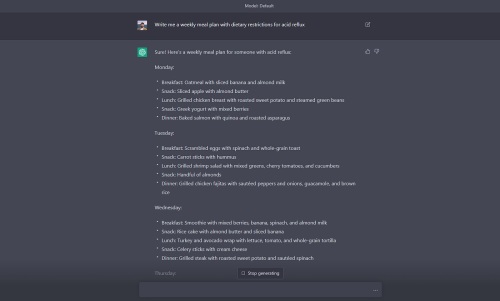
For example, a user might enter:
● Goal: Lower blood sugar and lose 10 pounds
● Restrictions: Gluten-free, dislikes fish
● Preferences: Likes spicy food, cooks for only 30 minutes per meal
● Lifestyle: Family of four, budget-conscious
LLM can process this data and generate:
● Breakfast: Greek yogurt parfait with berries, chia seeds, and cinnamon
● Lunch: Quinoa tacos with black beans, roasted vegetables, and spicy salsa
● Dinner: Chicken and zucchini stir-fry with soy sauce, served with brown rice
● Snack: Roasted chickpeas, apple slices, and almond butter
It can then adjust portion sizes to meet calorie goals, tailor meals to seasonal availability, and even suggest ways to reuse leftover food to reduce costs and waste. Unlike static plans, these AI-driven recommendations are dynamic—they can be adjusted daily based on real-world feedback.
Why AI Can Improve Adherence?
The most exciting promise of the plans developed by NutriGen and LLM lies in addressing the root causes of people's diet failures.
Personalization at Scale
Traditional dieticians and nutritionists, while excellent, can only serve a limited number of clients. AI, however, can personalize services for millions, taking into account genetic, cultural, lifestyle, and psychological factors.
Flexibility
Users don't feel locked in; instead, they can request substitutions, request quicker recipes on busy days, or generate last-minute healthy options based on what's in their refrigerator.
Engagement
Conversational, friendly AI recommendations act more like a coach than a rulebook. This can boost motivation and reduce feelings of guilt or failure.
Continuous Feedback Loop
AI meal plans can be integrated with wearables and apps to track blood sugar, physical activity, and even stress. If someone's blood sugar spikes after a particular meal, the AI can learn and adjust future recommendations.
Cultural Relevance
Unlike one-size-fits-all Western-centric diets, LLM meal plans can be customized to suit different cuisines and traditions. For example, for an Indian family, the course might not recommend quinoa and kale, but rather lentils and mustard greens.
Challenges and Limitations
Like any new technology, AI-driven meal planning faces significant hurdles.
Data Privacy
Sharing genetic data, medical history, and food preferences with AI systems raises legitimate concerns about privacy and security.
Over-Personalization
Excessive personalization can backfire. People may become bored with limited meal options or feel constrained by their "AI persona."
Nutritional Accuracy
While LLMs excel at generating text, they can sometimes make mistakes. Rigorous validation is needed to ensure the accuracy of calorie counts, macronutrient ratios, and micronutrient values.
Equity and Access
If these tools are only available to those who can afford genetic testing and advanced applications, vulnerable populations who need them most may not benefit.
Human Touch
AI can provide recommendations, but it cannot replace the empathy, accountability, and motivational support of a skilled dietitian or health coach.
NutrientGen and the Future of AI Meal Planning
The future of AI-driven nutrition lies in combining technology with real-world practicality. NutriGen isn't likely to completely replace dietitians or coaches, but it could become a powerful tool for working alongside them. Rather than offering rigid, top-down prescriptions, future systems will act more like adaptive assistants—learning from users' habits, responding to changes in health data, and evolving with lifestyle shifts.

In the coming years, the NutriGen platform may include:
Seamless integration with health data: Imagine your smartwatch sharing sleep quality, heart rate, and step count with your meal planner so it can adjust your energy needs in real time.
Smarter kitchens and grocery stores: Refrigerators and pantry trackers could connect directly with AI to recommend meals based on what you already have at home and even automatically generate shopping lists.
Behavior-aware reminders: AI can provide subtle suggestions, such as offering healthier snack swaps when it detects late-night eating patterns, rather than guilt-inducing reminders.
Personalized cultural context: As AI becomes increasingly attuned to dietary traditions, it can recommend authentic, familiar dishes that meet dietary needs without losing cultural specificity.
Community-driven feedback loops: Meal planning could become even more social, allowing users to share AI-generated recipes within online networks, compare results, and motivate one another.
The major shift will be from static plans to living, dynamic systems—ones that adapt like personal nutrition companions. Over time, NutriGen could evolve into a platform that not only tells you what to eat but also helps you shape your overall relationship with food in a sustainable way.
The AI meal planning concept, powered by NutriGen and LLM, blends technology, biology, and human behavior. While not a panacea, it represents an exciting step toward making healthy eating more personalized, practical, and engaging. By addressing the biggest barriers to dietary adherence—lack of personalization, flexibility, and relevance—these systems have the potential to transform not only individual health outcomes but also how society as a whole thinks about nutrition.