The Oral Microbiome and Dental Health: More Than Just Brushing

When it comes to oral health, most people assume the solution is simple: brush twice a day, floss, and maybe rinse with mouthwash. While these habits are undoubtedly important, they're only part of the complex picture of oral health. Recent research has focused on the oral microbiome, a diverse community of bacteria, fungi, viruses, and other microorganisms that live in the mouth. These microorganisms are more than just "bacteria"—they are crucial not only for dental health but also for overall health.
From preventing tooth decay to influencing immune response, cardiovascular risk, and even metabolic and neurological health, the oral microbiome serves as the gatekeeper to oral and systemic health. Understanding this complex ecosystem is key to unlocking new strategies for disease prevention, early detection, and personalized oral care.
What is the oral microbiome?
The oral microbiome is composed of hundreds to thousands of different microorganisms: bacteria, fungi, archaea, viruses, and occasionally protozoa. These microorganisms reside in diverse ecological niches within the mouth—on the surfaces of teeth, between teeth, on the tongue, beneath the gums, and in saliva—each with distinct environmental conditions (oxygen, pH, nutrients, surface area), which in turn foster distinct microbial communities. In a healthy state, these microorganisms coexist in balance, kept in check by factors such as saliva flow, immune defenses, regular cleaning, diet, and the physical structure of the teeth and gums. This state is often referred to as homeostasis. When this balance is disrupted, a condition known as dysbiosis occurs, leading to the dominance of pathogenic bacteria, increased inflammation, and tissue damage.
How does the oral microbiome affect dental health?
Caries (tooth decay)
Dental decay is one of the most common consequences of microbial imbalance. Frequent consumption of fermentable carbohydrates (especially sugars) causes certain bacteria to produce acid. This acid lowers the local pH, weakening tooth enamel and allowing harmful bacteria to thrive. Over time, this enamel damage worsens, ultimately leading to tooth decay.
Gingivitis and Periodontitis
Gingivitis (inflammation of the gums) can progress to periodontitis (a deeper inflammation that damages the bone and tissue supporting the teeth). In this condition, the bacterial flora shifts toward more anaerobic, Gram-negative, and pathogenic bacteria. These bacteria not only directly damage tissue but also stimulate the immune system to produce inflammation, further damaging tissue and bone.
Gender and genetic differences also influence the behavior of oral biofilms; for example, differences in periodontitis-associated biofilms are observed between men and women.
Oral Microbiome and Systemic Health: A Macroscopic Perspective
Beyond the teeth, an imbalance in the oral microbiome is associated with a number of systemic diseases. Current research suggests the following:
Cardiovascular and Metabolic Diseases
Chronic inflammation triggered by an imbalanced oral microbiome may contribute to cardiovascular disease (CVD). Pathogenic oral bacteria can enter the bloodstream (particularly in people with gum disease), triggering or exacerbating inflammation, promoting atherosclerosis, and increasing the risk of heart attack or stroke.
Alterations in the oral microbiome have also been linked to metabolic syndrome and diabetes. For example, in diabetes, an increase in certain bacterial species can lead to increased inflammation, which in turn impairs oral health.
Autoimmune and Inflammatory Diseases
Rheumatoid arthritis (RA), systemic lupus erythematosus (SLE), and other autoimmune diseases appear to be both influenced by and impact the oral microbiome. In these diseases, certain bacterial genera have been observed to increase in abundance, while healthy-associated microbiota have decreased in abundance.
Some of this may occur through immune pathways or molecular mimicry, where bacterial products resemble human tissues and lead to misdirected immune attacks.
Cancer
Alterations in the oral microbiome have been associated with an increased risk of several cancers, including oral squamous cell carcinoma. Studies have found that certain bacteria are enriched in cancer samples, suggesting the feasibility of using oral microbiome profiling for early detection.
Also, studies have linked oral microbiome imbalances to the risk of pancreatic cancer, although the causal pathways are still under investigation.
Gut-Oral Axis, Brain Health, and Aging
Research suggests that oral bacteria, once swallowed, can influence the gut microbiome. An imbalanced gut microbiome may contribute to gastrointestinal disorders, altered immune responses, and even metabolic or neurodegenerative diseases.
Some early studies are exploring the link between oral microbial composition and mood, cognition, and neurological disorders. Although still in its early stages, the concept of the "mouth-brain axis" is gaining attention.
Why brushing (and flossing) is necessary but not sufficient?
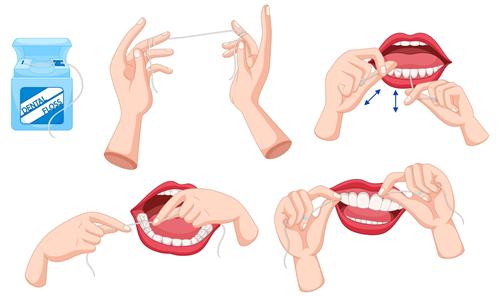
Brushing is crucial: it removes plaque, reduces sugar and acid intake, stimulates saliva production, and removes food particles. However, brushing alone cannot thoroughly clean every area of your teeth: between teeth, beneath the gums, deep in pits and fissures, and on the tongue. Flossing, tongue cleaning, dental sealants, and professional cleanings are the ultimate goal of dental hygiene. Furthermore, brushing cannot fully address:
● Immune regulation
● Potential drivers of inflammation
● Dietary acids
● Systemic influences (e.g., uncontrolled diabetes, chronic diseases)
● Habits such as smoking or alcohol consumption can alter the composition of your microbiome
Practical strategies to support a healthy oral microbiome
Based on current knowledge, beyond simply brushing twice a day, you can take the following specific steps:
Optimize your diet
● Reduce frequent consumption of refined sugars and processed carbohydrates. Limit sugary drinks, sweets, and frequent snacking.
● Eat more fiber-rich plant foods: vegetables, fruits, and legumes. Fiber helps stimulate saliva production and nourishes beneficial bacteria. Include healthy fats, lean protein, and minerals like calcium and vitamin D to support healthy teeth and bones.
● May include fermented foods or probiotics/prebiotics to promote beneficial microbial species.
Balanced Oral Hygiene Practices
● Brush your teeth twice daily with fluoride toothpaste, brushing in a way that covers all tooth surfaces.
● Floss or use an interdental cleaner daily to clean between your teeth.
● Clean your tongue (use a gentle tool; the tongue often harbors bacteria that cause bad breath and dysbiosis).
● Use mouthwash/mouthwash judiciously: reduce harmful bacteria while retaining beneficial ones.
Lifestyle and Overall Health
● Quit smoking; minimize or moderate alcohol consumption.
● If you have diabetes, manage your blood sugar; treat any systemic health conditions.
● Get good sleep and manage stress.
Professional Dental Care
● Get regular dental checkups and cleanings to detect gum disease or cavities early.
● Use sealants or other protective measures, if recommended.
● For those at higher risk, consider working with a healthcare provider.
Emerging Therapies
● Probiotics and Prebiotics: Introducing beneficial bacterial strains or feeding beneficial bacteria to help rebalance dysbiosis.
● Targeted Antimicrobials and Adjuvants: Agents such as xylitol, specific essential oils, or substances that shift pathogenic communities in specific environments.
● Personalized Oral Care: The future is moving toward diagnostics (saliva or plaque testing), tailored hygiene and dietary plans, and potentially oral microbiome engineering.
● Machine Learning and Biomarker Screening: Using microbiome signatures to predict disease risk is an actively developing field.
The mouth is like a mirror (and sometimes even a door) reflecting overall health. Symptoms in the mouth—persistent gum inflammation, changes in breathing, bleeding, frequent cavities—may reflect deeper, systemic issues: immune dysfunction, metabolic problems, malnutrition, or the early stages of disease. Conversely, improving the oral microbiome balance can have a ripple effect, potentially helping to reduce systemic inflammation, improve metabolic markers, and reduce cardiovascular disease risk.