
The Rise of Cell Therapy: From Cornea to Solid Tumors
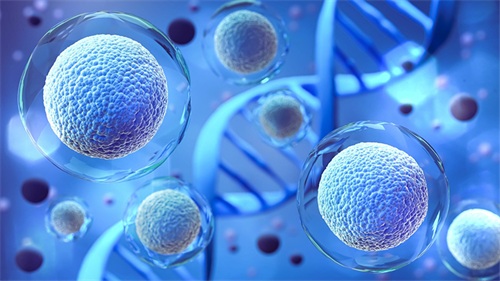
Cell therapy is one of the fastest-growing frontiers in medicine. It centers on the use of living cells to replace, repair, or combat disease. While stem cell and tissue repair therapies have made significant progress in regenerating damaged organs, exciting new advances are pushing cell therapy into solid tumors—tumors that have historically been difficult to treat with cell-based immunotherapies.
Restoring Vision—Corneal Cell Therapy
Corneal Injury and Limbal Stem Cells
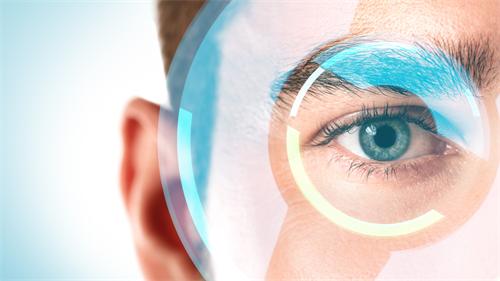
The cornea is the transparent front layer of the eye. It must remain clear and smooth to maintain vision. However, injury, burns, infection, or disease can damage the cornea, particularly the limbal epithelial cells—stem cells at the edge of the cornea that regenerate the corneal surface. When these limbal stem cells are lost or depleted, the cornea cannot heal properly, resulting in scarring, clouding, and vision loss.
Traditional treatments include corneal transplants (donor tissue), but these have limitations: donor tissue scarcity, risk of rejection, chronic complications, and often imperfect vision restoration.
CALEC: Cultured Autologous Limbal Epithelial Cells
A recent clinical trial, called the CALEC trial, shows promise in using a patient's own limbal epithelial stem cells to repair severe corneal damage.
Here's how it works:
● A small biopsy is removed from the patient's healthy eye.
● The limbal stem cells are cultured in the laboratory and expanded over 2-3 weeks to form a graft.
● The graft is then transplanted into the damaged eye.
The results are encouraging: In a small, phase 1/2 clinical trial involving 14 patients, 50% of treated eyes achieved complete corneal repair at 3 months, a figure that climbed to approximately 79% and 77% at 12 and 18 months, respectively. Including partial success rates, the overall "success rate" (complete or partial repair) exceeded 90% at both 12 and 18 months. Importantly, the treatment was safe; no serious adverse events were reported in either the donor or recipient eye. Visual improvement varied among patients.
Replacement Corneal Cell Approaches
Another advance is treating diseases of the corneal endothelium (the inner layer of the cornea, responsible for pumping fluid and maintaining transparency). For example, studies have been conducted using cultured human corneal endothelial cells injected with a ROCK inhibitor. Results showed increased endothelial cell density, improved corneal thickness and transparency, and improved functional vision—all without the need for a full donor cornea transplant.
Cell Therapy for Solid Tumors—A New Frontier
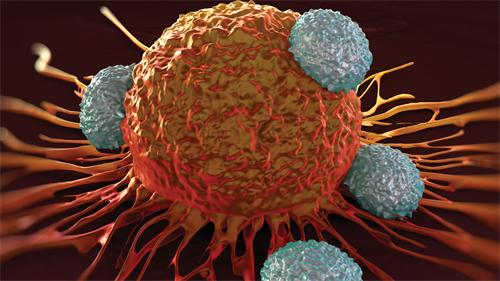
Solid tumors (cancers in solid organs or tissues) are more common than blood cancers and have historically been more challenging to treat with cell-based immunotherapies. However, this situation has been changing in recent years.
What Makes Solid Tumors Difficult Targets?
To understand these advances, it helps to understand the challenges that must be overcome:
Tumor Heterogeneity
Solid tumors are not homogeneous. They are often composed of cell subsets with varying antigen expression. Some cancer cells may completely lack the target antigen, thereby evading targeted therapy. This makes antigen selection a significant challenge.
Tumor Microenvironment (TME)
The environment surrounding tumor cells is often hostile to immune cells. It includes suppressive factors, regulatory immune cells, and physical and chemical barriers (such as a dense extracellular matrix, hypoxia, and low pH), all of which limit the penetration, survival, and function of therapeutic immune cells.
Targeted/Off-Tumor Toxicity
Even if a suitable target antigen is found, if it is also present on healthy cells, the immune attack may still damage those cells. Therefore, precision is crucial.
Exhaustion and Persistence
Therapeutic T cells need to persist long enough to eliminate tumor cells and avoid "exhaustion," a state in which they lose their functional effectiveness due to persistent stimulatory and inhibitory signals.
Manufacturing and Delivery
Scaling up cell production, ensuring quality, and controlling costs; delivering cells to the tumor site (particularly brain tumors or deeply embedded organs); avoiding immune rejection; and managing the logistics of preparing patient-specific therapies—all are crucial.
What Drives Recent Breakthroughs—A Rethink
The rapid advancement of cell therapy in the treatment of solid tumors is no accident. Over the past few years, several scientific and technological advances have converged to transform once-theoretical concepts into practical therapies.
1. Multiple Antigen Targeting and Neoantigen Discovery
Bispecific and Multispecific CAR/TCR: Today, therapies are designed to simultaneously recognize multiple antigens using dual CARs, bicistronic vectors, or tandem constructs. This reduces the risk of antigen escape, in which cancer cells evade treatment due to loss of a single target.
Novel Antigen Recognition: Researchers are validating targets that are strongly expressed in tumors but rarely found in healthy tissues, such as CLDN6, B7-H3, and EphA2. These tumor-restricted markers offer improved safety and specificity.
2. Engineering Cells to Survive in Harsh Environments
Enhancing Persistence and Preventing Exhaustion: Modifications to costimulatory domains, intracellular signaling, and chromatin regulators now help therapeutic cells maintain activity for longer periods, even in suppressive environments.
Metabolic Resilience: Solid tumors are characterized by hypoxia, acidity, and nutrient deprivation. New engineering strategies can improve cells' mitochondrial function and energy utilization, enabling them to survive and function under stress.
3. Overcoming the Tumor Microenvironment (TME)
Targeting Suppressor Cells: Myeloid-derived suppressor cells, regulatory T cells, and inhibitory cytokines can inhibit therapeutic efficacy. New therapies either eliminate these cells or engineer immune cells to resist them.
Reprogramming the Local Environment: Cells can now secrete molecules that alter immune signaling, recruit other immune effectors, and reduce local suppression.
Combinatorial Strategies: Pairing engineered cells with checkpoint inhibitors, small molecule drugs, and even oncolytic viruses can enhance their activity within tumors.
4. Smarter Delivery and Treatment Options
Direct Delivery: Delivering therapeutic cells closer to the tumor site (e.g., intracranial injection in brain cancer patients) can improve infiltration.
Combination Therapies: Combining CAR-T or TCR-T with immunotherapies, vaccines, or targeted drugs has shown synergistic benefits.
Dose Optimization: Adjusting infusion schedules, repeat dosing, and conditioning regimens can help infused cells engraft and survive more effectively.
What the Near Future Holds?
The trajectory of cell therapy development suggests that the next decade will see dramatic changes in the treatment of cancer and other diseases.
1. Approvals for Solid Tumor Therapies
We expect more cell therapies to receive approval for solid tumors, extending from melanoma and sarcoma to brain, lung, and pancreatic cancers.
2. Smarter, More Flexible Cell Designs
Future therapies may include logic-gated cells that activate only under specific tumor conditions, switchable receptors that can be reprogrammed after infusion, and designs that can withstand the stresses of the tumor microenvironment.
3. Combination Therapies as Standard Practice
Cell therapies will increasingly be combined with immune checkpoint inhibitors, oncolytic viruses, targeted drugs, or cancer vaccines. These combinations may transform "cold" tumors into immune-competent ones, thereby improving treatment efficacy.
4. Precision Diagnostics and Patient Selection
Advances in genomics, proteomics, and imaging technologies will enable better matching of patients with treatment options, predict efficacy, and identify toxicity or risk of relapse. Biomarker-driven personalized therapy will become the norm.
5. Improved Delivery Strategies
Novel delivery methods—from local injections to biomaterials that anchor cells at the tumor site—will help overcome physical barriers and improve efficacy.
6. Expanding Access and Reducing Costs
With the advent of allogeneic therapies, automation, and standardized manufacturing processes, costs will decrease, and availability will expand beyond major academic centers. Insurance and regulatory frameworks will also adapt, making treatments accessible to a wider range of patients.