
What the Okinawa Diet Can Teach Us About Longevity and Everyday Diet?
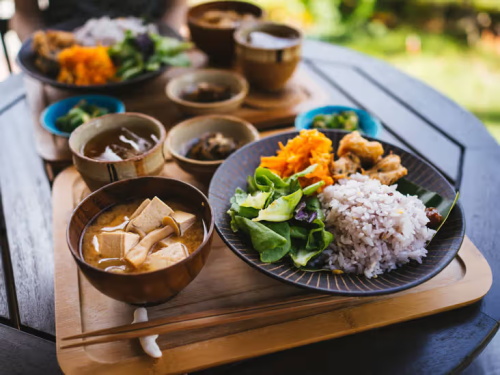
When people discuss which regions of the world boast exceptionally long, healthy lifespans—free from the chronic diseases that plague many developed countries—Okinawa, Japan, almost always ranks near the top. Okinawa is one of the so-called "Blue Zones," areas where life expectancy is well above the global average, with many people living to 90 or even older, often in relatively good health. The traditional Okinawan diet—not just the food itself, but also the eating habits, culture, and mindset—offers lessons that can help any of us improve both lifespan (how long we live) and healthspan (how long we live).
What is the traditional Okinawan diet?
Okinawa is an archipelago in southern Japan; its culture, climate, and ecology have shaped its unique diet, even distinct from other Japanese cuisines. Key characteristics include:
A heavy emphasis on plants, particularly root vegetables.
Sweet potatoes, especially traditional Okinawan sweet potatoes (some varieties are purple, others orange, and so on), have traditionally been a staple, not just a side dish. Okinawans also consume a large amount of other vegetables, such as leafy greens, seaweed, bitter melon, pumpkin, and daikon radish.
Beans and soy are abundant; meat and seafood are moderate.
Tofu, miso, natto, and other soy products are the main sources of protein. Fish and seafood are consumed in relatively small amounts compared to plant-based foods. Pork is occasionally consumed.
Okinawans are low in fat (especially saturated fat), sugar, refined grains, and processed foods.
The traditional Okinawan diet contains virtually no processed foods, refined sugar, dairy products, or high-fat meats. Traditionally, the Okinawan diet is high in carbohydrates (primarily from complex sources), moderate in protein, and low in fat.
Okinawans are rich in antioxidants, phytonutrients, and dietary fiber.
Dietary fiber is often found in a variety of herbs, vegetables, and spices. Antioxidant-rich foods such as turmeric, mugwort, various seaweeds, oranges, and purple sweet potatoes are particularly prominent. Dietary fiber is also abundant in vegetables, root vegetables, beans, and seaweed.
Eat in moderation and eat mindfully.
The cultural practice of "eight points full" (hara hachi bu) is crucial. Rather than overeating, people are encouraged to stop before reaching satiety—this helps reduce calorie intake without the need for strict calorie counting.
Lifestyle Factors + Community + Natural Movement.
The Okinawan diet is closely linked to other aspects of life: physical activity is naturally integrated into daily life, people often work outdoors, social structures provide support, and there is a strong sense of purpose in life, and it is less prone to the stresses of modern urban life.
Why the Okinawan Diet May Promote Health and Longevity?
For decades, researchers have studied Okinawa, trying to understand how local residents achieve both longevity and reduced age-related diseases. Key findings and mechanisms include:

Reduced risk of chronic disease.
Okinawans have lower rates of heart disease, stroke, certain cancers, diabetes, and dementia than many Western populations.
Delayed aging/healthier aging ("healthspan").
Many Okinawan centenarians remain active into old age and are relatively free of severe disabilities. Possible effects of mild calorie restriction.
The traditional Okinawan diet is relatively low in calories. Japanese children and adults have historically consumed diets lower in calories than those found elsewhere, which has been associated with lower mortality and disease incidence. Calorie restriction mechanisms in many species (rodents, primates) have been shown to extend lifespan or delay disease; Okinawans may experience some of these benefits in humans.
High intake of antioxidants and phytonutrients.
Oxidative stress and inflammation contribute to aging and many chronic diseases. A diet rich in plant-based antioxidants helps suppress inflammation and protect cells. The diversity of plant foods and herbs in the Okinawan diet also contributes to this.
Low glycemic load/stable blood sugar.
Because most carbohydrates are burned slowly (e.g., sweet potatoes, beans, etc.), blood sugar spikes are less frequent. This helps reduce the risk of metabolic syndrome, type 2 diabetes, and related conditions.
Interactions between genetics and the environment.
While diet and lifestyle play a significant role, Okinawans may also carry genetic variants that protect against age-related diseases. Importantly, however, as the influence of Western diets grows, disparities in mortality and health outcomes are beginning to shift.
What's Changing? Modern Challenges
While the traditional Okinawan diet has many strengths, it's important to note that it's not static. Like many regions, Okinawa has experienced dietary shifts, urbanization, changes in food availability, and shifts in lifestyle. Understanding these changes can help clarify which features of the traditional diet are most important and which are more challenging to maintain.
Westernization of the diet. Consumption of meat, processed foods, refined sugars, and fats has increased. The balance of macronutrients is shifting, with more protein and fat, more saturated fat, and more processed/packaged foods.
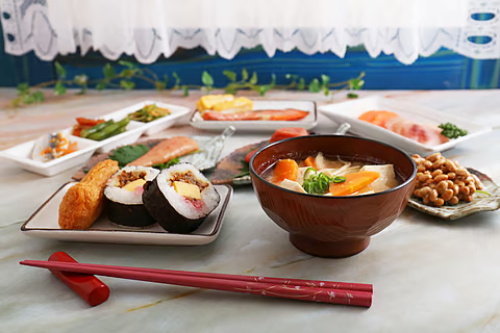
Loss of traditional customs. For example, younger generations may no longer strictly adhere to the "Hokahubun." Furthermore, a more sedentary lifestyle and a decrease in daily physical labor or activity may reduce the protective effects.
Some health indicators are deteriorating. Rates of conditions such as ischemic heart disease and cerebrovascular disease have increased in Okinawa, in some cases approaching the national average for Japan.
These changes act as a natural experiment: when diet and lifestyle deviate from traditional practices, health deteriorates accordingly. This further demonstrates that the characteristics of Okinawa life and traditional cuisine are crucial—they are no accident.
Core Lessons We Can Learn: What to Consider in Everyday Diet
The Okinawa example offers many lessons, some profound, others more subtle, that anyone can apply, even from afar. Here are some practical tips for everyday life.
Eat more plants, especially root vegetables, leafy vegetables, legumes, and seaweed.
The more plant-based foods, the better. For example, sweet potatoes are rich in complex carbohydrates, dietary fiber, antioxidants, and micronutrients. Seaweed provides many minerals that are often lacking in Western diets. Legumes provide protein in a low-fat, high-fiber form.
Choose whole, minimally processed foods.
Reach your diet with vegetables, unrefined grains, whole beans, and natural herbs and spices instead of processed snacks, sugary products, refined grains, or heavily processed meats.
Eat moderately and mindfully.
Adopt a diet similar to the "80% full" rule: stop eating when you feel 80% full. Eat slowly, allowing satiety to build. This helps prevent overeating without strictly controlling hunger. Maintaining a mindful attitude during meals (taking your time and savoring the flavors and textures of your food) also aids digestion and mental well-being.
Control portion sizes and avoid excessive calorie chasing.
You don't need to count calories exactly, but the traditional Okinawan diet suggests that a low- to moderate-calorie intake—without over-restricting—is beneficial. Focus on nutrient density so you feel full with less. Choose foods that are high in fiber, high in bulk (water content, vegetables, etc.), and low in empty calories.
Get moderate, regular physical activity.
This doesn't necessarily have to be structured "exercise." Natural forms of movement: walking, gardening, manual labor, climbing stairs, etc. These activities can support cardiovascular health, muscle tone, and metabolic health.
Utilize herbs, spices, and foods with medicinal properties.
Turmeric, mugwort, various seaweeds, bitter melon, etc., all contain bioactive compounds. These compounds have antioxidant and anti-inflammatory properties and may play more subtle roles in maintaining cellular health.
Community, purpose, and attitudes toward food. Diet is more than just nutrition: it's social and cultural, deeply connected to gratitude, purpose, and slowing down. Mindset is crucial—viewing food as a source of energy (or, as the Okinawans say, "medicine of life") can influence eating behaviors, stress levels, satisfaction, and, indirectly, health.
How to Adapt Okinawa Principles Without Overhauling Your Life?
For many, diving headfirst into a completely traditional Okinawan diet can be difficult or even overwhelming. However, many principles can be adapted gradually. Here are some suggestions to help you integrate these lessons without major disruption.
Start each day with one plant-based meal. If you're a meat-heavy eater, try replacing lunch or dinner with plant-based options: beans, vegetables, sweet potatoes, and, if possible, some seaweed.
Reduce your meat intake, especially red and processed meats. Increase white fish, then move on to fish/seafood, and eventually reduce portion sizes.
Replace refined carbohydrates with complex carbohydrates. Replace white rice or processed grains with whole grains, or even better, root vegetables like sweet potatoes.
Use spices and herbs. Turmeric, ginger, seaweed, bitter melon: even small additions can provide beneficial properties.
Practice mindful eating habits. Eat more slowly, chew more, pause between meals, and stop when you feel full. Perhaps develop a small ritual before meals (expressing gratitude, saying "itadakimasu" (it begins), or pausing briefly) to focus your attention.
Increase non-exercise physical activity. Take walks, climb stairs, garden, and stretch whenever possible.
Limit your intake of ultra-processed foods and sugary drinks. As with many healthy diets, avoiding foods that are high in calories but low in nutrients is crucial.
The Okinawan diet is not just about specific foods; it's about balance, mindset, community, and cultural practices. Here are some of its key lessons:
Prefer whole plants, roots, herbs, seaweed, and legumes over processed, sugary, high-fat, and highly refined foods.
Eat in moderation—not necessarily strictly counting calories, but stopping before you're completely full.
Integrate physical activity into a natural part of your daily life
Value social connections and purpose—eating is a social activity, and food is deeply tied to culture and gratitude.
Eat mindfully, eat slowly, savor your food, reduce stress, and view food as nourishment rather than just fuel.
When these factors come together, as they do in Okinawa (or have historically), the result seems to be not only a longer lifespan but also a longer healthy lifespan—less pain, more function, and a better sense of well-being.
If you choose to adjust certain aspects of the Okinawa diet, you don't have to do everything. Even small changes—like eating more plant-based meals, eating more vegetables, mindfully eating, and reducing processed foods—can yield significant benefits over time.