
Treating Alzheimer's Disease: What's New with Monoclonal Antibodies Like Kisunla?

Alzheimer's disease (AD) is a progressive neurodegenerative disorder characterized by memory loss, cognitive decline, and ultimately the inability to perform daily activities. Its pathological hallmarks include:
● Amyloid-β plaques: Sticky accumulations of misfolded amyloid peptides in the spaces between neurons.
● Tau tangles: Twisted filaments of tau protein within neurons, causing neuronal damage.
For decades, conventional treatments have focused primarily on symptom relief—cholinesterase inhibitors, NMDA receptor antagonists—which offer some benefits for memory and cognition but do not fundamentally alter the underlying disease process.
Monoclonal antibodies (mAbs) targeting amyloid beta have been a long-sought strategy, aiming to slow or even partially reverse the pathological process by removing plaques or reducing their accumulation. Kisunla is one of the newest members of this evolving class of drugs.
What is Kisunla (donanemab-azbt)?
Kisunla (trade name), also known as donanemab-azbt, is a humanized monoclonal antibody developed by Eli Lilly and Company. Key features include:
It targets amyloid beta, specifically the pyroglutamate-modified form of amyloid beta, which is prone to aggregation and closely associated with plaque formation.
It is approved for the treatment of early symptomatic Alzheimer's disease: patients with mild cognitive impairment (MCI) or mild dementia, with confirmed amyloid pathology as determined by diagnostic tools.
Dosage: Administered as an intravenous infusion every four weeks. The first three doses are 700 mg, with subsequent doses increasing to 1400 mg. Each infusion lasts approximately 30 minutes.
Time-limited treatment: Once amyloid plaques have been reduced to minimal or macroscopically negative levels (confirmed by amyloid PET imaging), treatment can be discontinued and monitored. This differs from some drugs, which require indefinite treatment.
What have the trial results been to date?
The evidence base for Kisunla comes from the Phase 3 TRAILBLAZER-ALZ 2 clinical trial and its subsequent studies. Key findings include:
At 18 months of follow-up, patients treated with Kisunla experienced a significantly slower rate of cognitive and functional decline compared to those treated with placebo. The benefits were even more pronounced in certain subgroups (those with earlier disease progression and lower tau pathology).
Quantitatively, the rate of cognitive/functional decline slowed by approximately 35% in patients with earlier disease progression, while the average slowdown for the entire study population was approximately 22%.
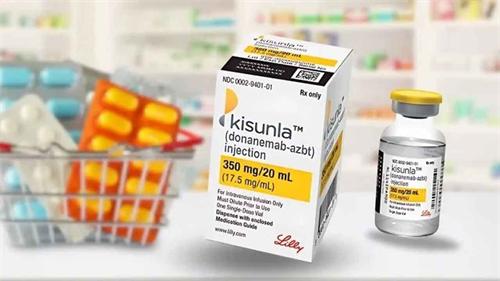
Over 18 months, Kisunla reduced the risk of progression to the next clinical stage of Alzheimer's disease by approximately 39%.
Amyloid plaques were significantly reduced, with an overall reduction of approximately 84% from baseline within 18 months.
Long-term extension data (up to three years) demonstrated that the benefits persisted, with even those who started treatment later still showing an advantage over an untreated outgroup.
Kisunla is not a cure—it cannot reverse all damage or completely halt disease progression—but it can provide meaningful relief, especially when treatment is started early.
Safety Issues and Risks
Like other amyloid-targeted therapies, Kisunla carries significant risks:
Amyloid-associated imaging abnormalities (ARIA)—swelling (edema) and/or microbleeds in the brain. Some lesions are asymptomatic, while others may cause symptoms. Rarely, these lesions can be severe or even life-threatening.
Genetic Risk: Individuals with two copies of the ApoE ε4 gene are at increased risk for acute respiratory distress syndrome (ARIA). Many regulatory agencies exclude these individuals from the treatment.
Infusion-Related Reactions: Flu-like symptoms, nausea, or allergic reactions may occur.
Monitoring Requirements: Verify amyloid pathology with PET imaging before treatment, monitor for ARIA with MRI scans during treatment, and genotype for ApoE status.
Cost: The drug and the required diagnostics are expensive, and healthcare system resources may limit access to the drug.
What Makes Kisunla Different?
Kisunla (donanemab-azbt) stands out from other Alzheimer's disease therapies in several ways, thanks to improvements in dosing, safety, and treatment strategy. Key differences include:
Improved titration regimen for improved safety
The new dosing regimen gradually increases the dose over the first few infusions. This adjustment significantly reduced the risk of ARIA-E (amyloid-associated radiographic abnormality with edema). By week 24, the incidence of ARIA-E was approximately 14% with the modified regimen, compared to approximately 24% with the original dose. This reduction remained significant after one year. While increasing the dose is safer, the reduced dose still preserves the drug's ability to clear amyloid plaques and reduce biomarkers such as phosphorylated tau.
Fewer infusions, no discontinuations
Unlike some therapies that require continuous or more frequent dosing, Kisunla is administered every four weeks. Furthermore, a key feature of its design allows for treatment discontinuation once amyloid plaques have been reduced to minimal or undetectable levels (as verified by PET imaging). This means patients can receive infusions for several months to reach the target level of amyloid reduction and then discontinue treatment, rather than continuing treatment indefinitely. This offers potential advantages in terms of both safety and cost.
Earlier in the disease: Better efficacy
Clinical trial data show that patients with lower tau levels (indicating earlier disease progression) experienced a greater slowing of cognitive and functional decline—approximately 35% slower than those taking placebo—compared to approximately 22% for the overall population. This highlights that Kisunla's benefits are greatest when used before the onset of a broader range of neurodegenerative diseases.
Revised Labeling and Risk/Benefit Balance
The updated labeling reflects the revised dosing regimen, helping clinicians and patients gain greater confidence that risks, particularly for ARIA-E, are manageable. By adjusting dose titration, safety concerns have been reduced while maintaining efficacy. This helps Kisunla become more competitive in terms of tolerability among anti-amyloid antibody drugs.
Impact on Patients and Healthcare Systems
Early Detection is Critical: Effective use requires diagnosis of Alzheimer's disease at an early stage.
Genetic counseling becomes standard: ApoE ε4 status influences eligibility and risk.
Infrastructure challenges: Demand for infusion centers, imaging facilities, and neurologists will increase.
Cost considerations: Insurance and government reimbursement policies will determine access to treatment.
Patient education: Families must understand that treatment can slow progression but does not cure the disease.
Recent Developments
In September 2025, the European Commission approved Kisunla for the treatment of eligible patients with early-stage Alzheimer's disease.
Three-year extension data from the TRAILBLAZER-ALZ 2 study showed sustained benefit even for those who started the study later.
Australia approved the Kisunla program in 2025, and hundreds of thousands of patients are expected to be assessed for eligibility.
Kisunla represents a major advancement in the treatment of Alzheimer's disease. It is one of the first therapies to directly target amyloid plaques and significantly slow cognitive decline. Its short-term treatment modality, genotype-based precision, and broad regulatory approval make it a standout. However, Alzheimer's disease remains incurable. Kisunla is not a panacea, but it offers hope—it could extend life, preserve memory, and slow progression. Its availability marks the possibility of disease-modifying therapies and opens the path to more comprehensive treatments. Future strategies may combine anti-amyloid and anti-tau therapies, improve diagnostics, and enhance system readiness.
For patients and their families, Kisunla is more than just a drug; it represents a milestone in the fight against one of medicine's greatest challenges.