Why smart wearables are more than just wrist accessories?
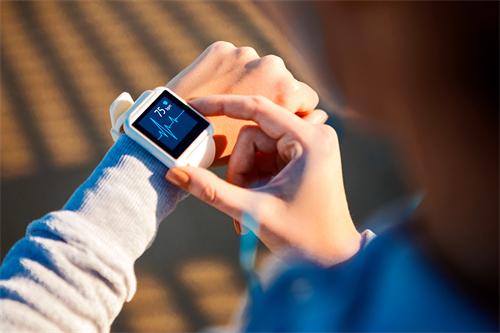
Wearables—rings, watches, patches, sensors—have evolved from helping us count steps or track sleep to continuously monitoring deeper health signals: blood sugar, heart rhythm, stress, and metabolic responses. Two increasingly prominent metrics are continuous glucose monitoring (CGM) and heart rate variability (HRV). They can provide insights into metabolic health, stress, fitness readiness, cardiovascular risk, and other aspects. However, challenges such as accuracy, usability, privacy, and medical legality remain.
Recent Trends and Technological Advances in Blood Glucose Monitoring
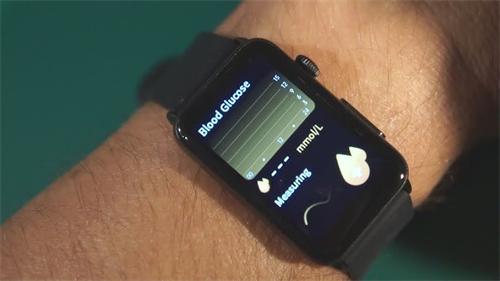
Over-the-Counter Continuous Glucose Monitoring (CGM) for Non-Insulin Users
Device availability is now available for people who don't use insulin, including some people with type 2 diabetes and even those focused on metabolic health. This means it's more convenient than ever to get blood sugar data without a prescription.
Integrating Blood Glucose Data with Lifestyle Metrics and AI
Some platforms pair blood sugar data with other wearable device data, such as sleep, activity, and stress levels. AI can then provide personalized insights, such as how long blood sugar levels remain above ideal or how specific meals affect blood sugar spikes.
Non-invasive or minimally invasive sensors
Researchers are developing sensors that measure blood glucose through sweat, subcutaneous flow, or optical or chemical detection. These technologies aim to reduce the need for frequent finger pricking while maintaining accuracy.
Longer-wearing, smaller devices with improved algorithms
CGM devices continue to improve in terms of sensor lifespan, compactness, and ease of use. Advances in signal processing technology are enabling more reliable readings and better app-based alerts.
What measures are effective and what remain challenging?
Accuracy and cost/user burden: Non-invasive devices can sometimes struggle to maintain consistency, while accurate sensors can be expensive.
Regulation and safety: Claims made by some devices or apps have not been validated, highlighting the need for regulatory approval.
Interpretability: Raw glucose values are useful, but interpreting them meaningfully often requires instruction or artificial intelligence.
User comfort and compliance: Sensor patch design, potential skin irritation, and usability all impact real-world adoption.
Impact on health and lifestyle
● Early detection of metabolic abnormalities and prevention of type 2 diabetes.
● Personalize diet, exercise, and daily routines based on real-time blood sugar responses.
● For people with diabetes who require insulin or blood sugar regulation, this can improve diabetes management, reduce fingersticks, and improve treatment outcomes.
What is Heart Rate Variability (HRV) and Why It Matters?
Heart rate variability (HRV) measures the variation in the time intervals between consecutive heartbeats. It reflects the balance between the sympathetic (fight or flight) and parasympathetic (rest and recovery) components of the autonomic nervous system. Generally, higher HRV indicates greater adaptability and resilience, while lower HRV may indicate stress, overtraining, or increased cardiovascular risk. HRV is also associated with psychological well-being, frailty, and overall physiological resilience.
Advances and Trends in HRV in Wearables
Wide Range of Consumer Devices Reporting HRV
Smartwatches, rings, and fitness trackers are increasingly reporting HRV, although methods vary in accuracy and timing (e.g., during sleep or resting snapshots).
Better Signal Processing
Machine learning and advanced filtering techniques improve HRV measurements by compensating for motion artifacts and sensor noise.
Context-Aware HRV
Instead of using a single daily number, modern systems compare HRV to an individual's baseline and highlight unusual trends, making the data more actionable.
For Coaching, Recovery, and Mental Wellness
Athletes and health enthusiasts alike use HRV to guide training intensity, recovery, stress management, and sleep optimization.
Limitations and Considerations
● Device Inconsistency: HRV from a wrist-worn device may differ from clinical measurements.
● Uncontrollable Factors: Age, health conditions, hormones, illness, hydration, and emotional state can all affect HRV.
● Data Overload: Misinterpreting or overemphasizing small fluctuations can cause unnecessary concern.
● Battery Life and User Comfort: Consistently accurate measurements may require trade-offs in comfort or device maintenance.
Fusion and Synergy: Blood Glucose + HRV + Other Metrics
Integrating multiple health data streams (blood glucose, HRV, sleep, activity, diet) provides deeper insights than any single metric alone.
Examples of Synergy
Postprandial Blood Glucose Spikes and Recovery: Observing the relationship between nighttime blood glucose spikes and HRV changes can guide dietary adjustments for better metabolic and autonomic health.
Stress, Sleep, and Metabolic Feedback Loops: Insufficient sleep can lead to increased stress and blood glucose dysregulation, which in turn impacts heart rate variability (HRV) and subsequent sleep. Understanding these loops can help guide interventions.
Exercise Timing and Type: HRV and blood glucose data can optimize exercise duration, intensity, and recovery.
Predicting Illness or Overtraining: Deviations in HRV and blood glucose trends can signal early signs of infection, inflammation, or overtraining before symptoms develop.
Emerging Technologies and Research
The field of wearable health monitoring is rapidly evolving, with research continuously pushing the boundaries of device tracking capabilities, accuracy, and seamless integration into daily life.
Next-Generation Non-Invasive Blood Glucose Monitoring
Scientists are developing sensors that can measure blood glucose without breaking the skin. These include optical sensors that analyze light absorption through the skin, sweat-based microfluidic patches, and chemical sensors that respond to minute amounts of blood glucose concentration. These technologies aim to provide continuous, real-time readings without discomfort, making blood glucose tracking more convenient and user-friendly.
Miniaturized, Durable Sensors
As wearable devices continue to shrink in size, their lifespans are also increasing. Flexible, stretchable, and discreet patch or ring sensors now enable continuous monitoring for weeks with minimal disruption to daily activities. This makes ongoing health tracking more convenient and sustainable.
AI and Personalized Insights
Advanced algorithms are transforming raw sensor data into actionable insights. Personalized models can learn an individual's baseline responses to diet, stress, exercise, and sleep to provide predictive guidance. For example, AI can recommend optimal exercise or rest times based on blood glucose fluctuations and heart rate variability (HRV) trends.
Integrating into Healthcare Systems
Beyond personal health, wearable devices are becoming tools for clinical monitoring. Continuous data can be securely shared with healthcare providers, enabling remote monitoring of patients with metabolic or cardiovascular conditions. Early detection of abnormalities allows for preventive interventions before symptoms worsen.
The ultimate promise of predictive and preventive health applications lies in predicting health events. By tracking subtle changes in blood sugar levels and heart rate variability (HRV) patterns, wearable devices can detect early signs of metabolic disorders, cardiovascular stress, or overtraining. This predictive approach shifts the focus from treating disease to preventing it.
Practical Tips - How to Get the Most from Wearable Health Information
Because modern wearable devices are rich in data, a strategic approach to capturing this data is essential to derive meaningful benefits.
Choose reliable, proven devices.
Select wearable devices that have undergone rigorous research or regulatory approval. Avoid devices with exaggerated claims that haven't been independently validated.
Focus on individual trends, not single readings.
Long-term individual patterns offer more meaningful insights than isolated measurements. Understanding your baseline for heart rate variability (HRV), blood sugar levels, and other metrics is crucial.
Integrate Multiple Metrics for Context
Combining data streams (sleep, activity, HRV, blood sugar, stress) provides a more complete picture of your health and helps identify causal relationships between behavior and outcomes.
Transform data into actionable change.
Use insights to adjust your lifestyle, not just collect data. For example, if your blood sugar consistently spikes after certain meals, consider adjusting your diet or mealtimes. If your heart rate variability (HRV) drops during periods of stress, incorporate restorative practices like mindfulness or light exercise.
Avoid overreacting or becoming anxious about fluctuations.
Wearables are tools, not diagnostic instruments. Minor deviations are normal and not cause for alarm. Focus on patterns, not single readings.
Protect Your Data Privacy
Understand how devices collect, store, and share your health information. Ensure apps have strong security and privacy policies to protect sensitive health data.
Combining wearable insights with professional guidance.
While wearables provide valuable information, they should be used as a supplement to medical advice. Consult with your healthcare provider when interpreting trends related to chronic conditions or unusual patterns.
Smart wearables that monitor blood sugar and heart rate variability are no longer a distant future—they are rapidly evolving and becoming an integral part of personal health management. These devices provide continuous insights into metabolism, stress, recovery, and cardiovascular health. If used properly, they can transform health from reactive to proactive, enabling better dietary choices, more optimized training, better sleep, and early detection of health risks.
Successfully using smart devices requires focusing on validated devices, understanding personal trends, integrating multiple metrics, and acting on insights rather than obsessing over every data point. As technology advances, the combination of blood glucose monitoring, heart rate variability (HRV) tracking, and lifestyle data has the potential to revolutionize personal health management, making health more measurable, personalized, and effective than ever before.