The Gut-Brain Axis: How Diet Affects Mood and Cognitive Health
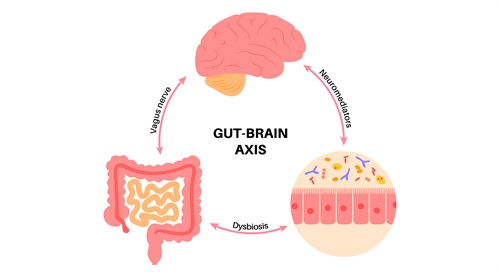
The relationship between the gut and the brain, often referred to as the gut-brain axis (or microbiome-gut-brain axis), is no longer speculative but a cutting-edge area of research in neuroscience, nutrition, and mental health. The food we eat not only nourishes our bodies but also shapes our gut microbiome, which in turn influences mood, cognition, inflammation, and even the risk of neurological disease. Below is an analysis of the latest research findings and their practical implications.
What is the gut-brain axis?
In short, the gut-brain axis refers to the bidirectional communication between the gastrointestinal tract (particularly the gut microbiome), the enteric nervous system (ENS), the immune system, and the central nervous system (CNS). Key players include:
● Microbiome: The trillions of bacteria, viruses, fungi, and archaea that live in the gut.
● Neurotransmitters and metabolites (such as short-chain fatty acids, or SCFAs) produced by the microbiome.
● The vagus nerve: The primary communication pathway between the gut and the brain.
● The intestinal barrier and the blood-brain barrier: These regulate how substances pass between the gut, blood, and brain.
When these systems are in balance (healthy microbiome, intact barrier function, and appropriate immune signaling), they support good mood, clear thinking, memory, and resilience. When these systems are disrupted (dysbiosis, excessive inflammation, leaky gut, or a leaky blood-brain barrier), the risk of mood disorders, cognitive decline, neuroinflammation, and neurodegenerative diseases increases.
How Diet Affects the Gut-Brain Axis?
The food we eat influences nearly every part of this system. Key dietary elements that interact with the gut-brain axis include:
1. Fiber and Prebiotics
Dietary fiber—particularly soluble and fermentable fiber from whole grains, legumes, vegetables, and fruits—nourishes beneficial gut bacteria. These bacteria ferment fiber into short-chain fatty acids (SCFAs), such as butyrate, acetate, and propionate. SCFAs have multiple effects:
● They nourish the cells lining the gut and help maintain a strong gut barrier.
● They regulate inflammation in the gut and throughout the body.
● They can influence brain cells indirectly through immune signaling or, in some models, directly through the vagus nerve.
Low-fiber diets tend to reduce beneficial short-chain fatty acids (SCFAs), weakening intestinal barrier function and allowing toxins or pro-inflammatory molecules to enter the bloodstream, triggering immune responses that may affect the brain.
2. Healthy Fats (Omega-3) and Polyunsaturated Fats
Omega-3 fatty acids (such as EPA and DHA from fatty fish, algae, and some plant sources) are closely linked to brain health. They:
● Help build and maintain cell membranes in neurons.
● Have anti-inflammatory effects—in the brain and elsewhere.
● Support the production of beneficial lipid mediators, which can influence the behavior of glial cells (microglia, astrocytes) in the brain.
Plant-based polyunsaturated fats also play a role, and a balance between omega-3 and omega-6 is crucial. An unbalanced diet rich in omega-6 (especially from processed foods) can contribute to inflammation.
3. Polyphenols, Antioxidants, and Phytochemicals
Polyphenols are plant compounds found in berries, dark chocolate, tea, coffee, some spices (such as turmeric), olives, and many fruits and vegetables. They have multiple gut-brain benefits:
● They support the growth of beneficial bacteria and reduce the growth of harmful bacteria.
● Their metabolites have direct antioxidant and anti-inflammatory effects in the gut and brain.
● Some polyphenols can cross the blood-brain barrier or help maintain its integrity.
● Diets rich in polyphenols have been linked to better mood and slower cognitive decline.
4. Protein Sources and Amino Acids
● Dietary protein provides amino acids that are precursors to neurotransmitters—for example:
● Tryptophan, which is necessary for the production of serotonin.
● Tyrosine, which helps produce dopamine and norepinephrine.
The composition of the protein source is important: lean meats, poultry, dairy products, legumes, and nuts are often better choices than highly processed meats, which may carry an inflammatory burden. Furthermore, amino acid availability is influenced by how gut microbes metabolize protein—and if a diet high in processed or red meat is high in processed meat, some microbes may produce harmful byproducts.
5. Fermented Foods and Probiotics
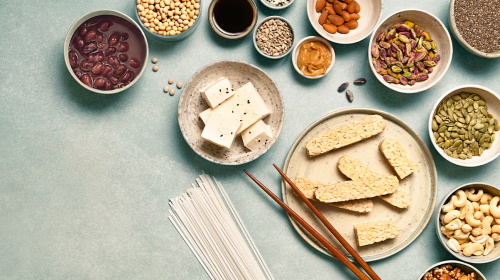
Fermented foods (yogurt, kefir, kimchi, sauerkraut, miso, tempeh) and probiotics (supplements or foods containing known strains) provide live beneficial microorganisms and help maintain microbial diversity. Benefits include:
Some studies have shown a reduction in anxiety and depression symptoms.
Improved cognition or memory in animal models; early data in humans is encouraging.
Effectiveness depends on the strain, dose, and individual differences in the gut microbiome.
6. Limiting: Processed Foods, Sugar, Saturated Fat
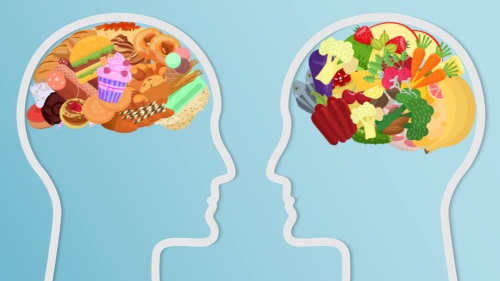
The modern "Western" diet—high in refined sugars, saturated fats, processed meats, and ultra-processed foods—is associated with:
Altered microbiome composition ("dysbiosis") that favors the growth of harmful strains.
Increased intestinal permeability ("leaky gut") allows microbial products such as lipopolysaccharide (LPS) to enter the bloodstream, triggering inflammation.
Higher levels of systemic inflammation, oxidative stress, and activation of microglia in the brain lead to neuroinflammation.
These processes have been linked to the risk of depression, anxiety, memory impairment, and neurodegenerative diseases such as Alzheimer's and Parkinson's diseases.
Recent Discoveries and Emerging Insights
Several recent studies suggest that the gut microbiota influences the development of neurodegenerative diseases by helping to regulate glial cells (microglia, astrocytes, and oligodendrocytes) through metabolites and immune signaling. The gut microbiota also influences behavior, neuroplasticity, and stress responses. Individual differences are important, as a diet or probiotic may be effective for one person but not another. Even brief dietary shifts can rapidly alter microbial composition, short-chain fatty acid (SCFA) production, inflammatory markers, and some cognitive markers, suggesting that positive changes can occur relatively quickly.
Impacts on Mood and Cognition
Given these mechanisms, impacts on mood, thinking, and memory include:
Mood Disorders: Alterations in the gut microbiome are common in patients with depression and anxiety. Dysbiosis and low microbial diversity are common. Dietary modifications or supplementation with probiotics or prebiotics may alleviate symptoms.
Cognitive Performance: Diet influences memory, attention, processing speed, and learning ability through the gut microbiome. Diet quality is associated with cognitive test scores.
Risk of Neurodegenerative Disease: Early changes in the gut microbiome have been observed in Alzheimer's and Parkinson's diseases, influencing disease progression.
Memory Loss and Aging: Diets that promote gut health, such as the Mediterranean diet, are associated with slower cognitive decline. Diet and gut health also influence metabolic and cardiovascular health.
The gut-brain connection highlights a profound truth: what we eat not only affects our bodies but also our thoughts and moods. By nurturing a diverse and balanced gut microbiome through a carefully chosen diet rich in dietary fiber, omega-3 fatty acids, polyphenols, and fermented foods, we can maintain emotional stability, cognitive clarity, and long-term brain health. Conversely, a diet high in processed foods, sugar, and unhealthy fats can compromise gut integrity and mental health.
Importantly, diet is only part of the picture. Sleep, stress management, physical activity, and a personalized dietary approach all interact with the gut-brain axis to shape our resilience and cognitive potential. While science is still uncovering the precise mechanisms and optimal interventions, one thing is clear: investing in gut health is investing in mental and cognitive vitality. Every meal is an opportunity to support not only physical health but also brain function, emotional balance, and overall quality of life.