Urban Air Pollution: A Growing Respiratory Threat
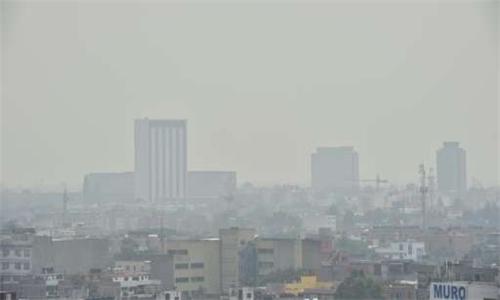
Urbanization brings many benefits—jobs, services, and cultural treasures—but it also carries environmental risks. Air pollution is one of the most insidious of these hazards. Cities are home to significant amounts of traffic emissions, industrial emissions, heating/cooling exhaust, construction dust, and secondary pollutants often formed through atmospheric chemical reactions (for example, ozone formed when nitrogen oxides and volatile organic compounds react with sunlight). Over time, chronic exposure to these pollutants can exacerbate and severely impact lung health.
Urbanization: A Growing Respiratory Threat
Urbanization brings many benefits—jobs, services, and cultural treasures—but it also carries environmental risks. Air pollution is one of the most insidious of these hazards. Cities are home to significant amounts of traffic emissions, industrial emissions, heating/cooling exhaust, construction dust, and secondary pollutants often formed through atmospheric chemical reactions (for example, ozone formed when nitrogen oxides and volatile organic compounds react with sunlight). Over time, chronic exposure to these pollutants can exacerbate and severely impact lung health.
Key Pollutants and Their Impact on the Lungs
Fine Particulate Matter (PM2.5 and Smaller): These tiny particles can penetrate deep into the lungs, even into the alveoli, causing inflammation, oxidative stress, and, in some cases, entering the bloodstream.
Nitrogen Dioxide (NO2): Primarily produced by traffic and combustion sources, it causes inflammation and impairs lung development in children. It has also been linked to the onset and exacerbation of asthma.
Ozone (O3): Although formed in the atmosphere (i.e., not directly emitted from many sources), it can irritate lung tissue, worsen existing lung diseases (such as chronic obstructive pulmonary disease), reduce lung function, and hinder normal lung growth in children.
Other particles and gases, such as sulfur dioxide (SO2), ultrafine particles, elemental carbon, and acidic vapors, many of which can increase respiratory vulnerability.
Long-Term Impacts on Lung Health
It is well known that short-term spikes in air pollution can trigger asthma, respiratory infections, and hospitalizations. However, the long-term effects, spanning years or even decades, are particularly concerning. Multiple lines of evidence suggest that living in polluted urban environments may lead to:
Slowed lung development in children and adolescents
A study of children aged 10 to 18 found that those exposed to high concentrations of nitrogen dioxide, acidic vapors, and elemental carbon had slower development of measures of lung function (such as forced expiratory volume (FEV₁), forced vital capacity (FVC), and mesenteric endothelial growth factor (MMEF)). This effect was observed even in children without a history of asthma or smoking.
Accumulatively, insufficient lung development during adolescence can lead to lower lung "reserve" in adulthood, hindering health. This means they are more susceptible to lung problems later in life.

Accelerated decline in adult lung function
Studies have shown that long-term exposure to harmful substances such as PM2.5 can accelerate the decline in lung capacity. Some studies have linked this to "aging" of the lungs: for people of a certain age, their lung function may be worse than normal if they are exposed to cleaner environments.
People living in polluted cities accumulate damage over time: more airway inflammation, particle accumulation in lung tissue, structural changes, and fibrosis.
Increased incidence and severity of chronic lung diseases
Chronic obstructive pulmonary disease (COPD): Not only is COPD exacerbated by pollution peaks, but long-term exposure can also exacerbate its progression. Population studies have shown that residents of areas with higher pollution levels are more likely to develop symptoms such as chronic bronchitis/emphysema, increased mucus secretion, and difficulty breathing.
Lung cancer: Even among nonsmokers, long-term exposure to PM2.5 increases the risk of lung cancer. One large, long-term study found that for every 10 μg/m3 increase in average ambient PM2.5 concentration, lung cancer mortality in nonsmokers increased by 15% to 27%.
Other structural and histological effects
Autopsy or surgical specimens from people living in high-pollution areas showed greater carbon deposition in the respiratory tract and lymphatic vessels (the pleura and the connective tissue surrounding the bronchi and blood vessels) compared to those in low-pollution areas. Even after controlling for factors such as smoking and age, more tissue damage was observed.
Imbalanced upper respiratory microbiome: Recent studies have found that pollution alters the microbial composition of the nasal cavity, throat, and other areas, making infections, allergies, and sinus problems more likely.
Synergistic Effects with Other Risk Factors
Pollution does not act in isolation. Smoking, occupational exposures (such as working in mines and factories, exposure to dust and fumes), socioeconomic status, and pre-existing lung disease all interact. For example, the elderly, smokers, and those with asthma or chronic obstructive pulmonary disease are more vulnerable. Furthermore, children and fetuses (prenatal exposure) are particularly vulnerable.
Is the damage permanent or reversible?
Science offers a nuanced answer. Some damage appears difficult or impossible to fully reverse, while other harms can be mitigated through clean air, lifestyle changes, and public health interventions.
Regarding lung development during adolescence, some deficits (such as a lower FEV₁ achieved at age 18) may not be fully "reversed" because lung development slows or stops after a certain age. Studies in Southern California suggest that deficits seen at age 18 are unlikely to be fully reversed simply by improving air quality later in life.
However, improved air quality does provide measurable benefits for children: faster lung growth and fewer children with "low lung function," among other benefits. Therefore, while some damage may persist, cleaner air can reduce further harm and improve outcomes.
New Evidence and Findings
Low-Level Exposures Still Harmful
Even exposure to pollution levels below certain regulatory standards appears to have measurable adverse effects on lung development. For example, European cohort studies have found that children exposed to relatively modest concentrations of PM₂₅ or NO₂ develop lung function deficits.
Combined Exposures May Be Even Worse
Children are exposed to not just one pollutant, but a cocktail of multiple pollutants—fine particulate matter, black carbon, nitrogen oxides, and others. The interactions between these pollutants can amplify harmful effects that cannot be fully captured by single-pollutant studies.
Equity and Environmental Justice Perspectives
The burden of pollution often falls disproportionately on vulnerable groups: those of lower socioeconomic status, people of color, and those living near highways or industrial areas. These groups also often have poor access to health care, suffer from poor nutrition, and have higher rates of smoking, exacerbating pollution risks.
Health during specific critical periods
Research is raising concerns about exposures during pregnancy and early life, for example, as these are critical times when lung growth trajectories can be altered, with consequences that can last for decades.
What can you learn?
l Even if you live in a city with significant pollution, you can take steps to reduce your personal risk.
l Stay informed about air quality and plan outdoor activities accordingly.
l Reduce exposure during periods of high pollution (e.g., rush hour, hot, sunny days with haze).
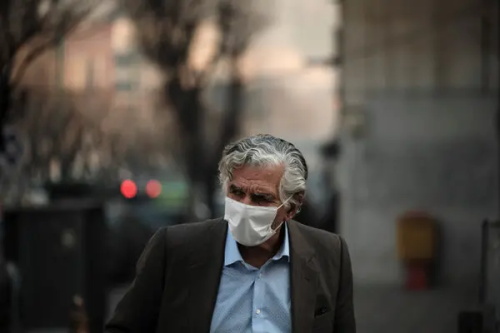
l If needed, use protective gear (high-quality masks, indoor air filters).
l Support public policy changes: cleaner transportation, better emissions standards, green spaces.
For parents: Avoid living in heavily polluted areas near major highways or factories; pay attention to the purity of indoor air where your children spend time; prenatal exposure is also important.
Urban life is not going away. In fact, more and more of the world's population is moving to cities, and climate change is likely to exacerbate air pollution in many places (e.g., wildfires, weather patterns, etc.). A growing body of research suggests that lung health is not just about smoking, but also about breathing. The air we breathe in our lungs every moment is crucial.
To safeguard the long-term health of our lungs, we need a combination of rigorous scientific monitoring, bold policy action, thoughtful urban design, and engaged citizens. In this way, cities can become not only sources of economic opportunity but also places where we can breathe healthily and live longer.