Mpox: An Evolving Situation
Monkeypox is a viral disease caused by monkeypox virus (MPXV), a member of the genus Orthopoxvirus. MPX viruses are primarily divided into two clades (groups/lineages): Clade I (including subclades Ia and Ib) and Clade II (including subclades IIa and IIb). Disease severity, mortality, and transmission patterns vary between clades.
Between 2022 and July 2025, there have been about 158,000 confirmed cases of mpox worldwide across more than 120 countries and territories.
In the Americas, nearly 70,000 cases have been reported, with more than 150 deaths across 31 countries.
The African region continues to bear a heavy burden, with large outbreaks, ongoing transmission, and many deaths. From January to August 2025 alone, 23 African countries reported more than 31,000 cases and 136 deaths.
Current Global Situation and Emergency Declarations
In August 2024, the World Health Organization declared horsepox virus (MPOX) a Public Health Emergency of International Concern (PHEIC) due primarily to an increase in cases, particularly of type I (particularly type Ib) in Africa. However, as of early September 2025, the WHO declared MPOX no longer a global public health emergency.
This does not mean that horsepox virus is no longer a concern. It remains a serious threat, particularly in Africa, where cases continue to surge, particularly of type Ib. The Africa Centers for Disease Control (Africa CDC) has declared horsepox virus (HPV) to remain a public health emergency on the African continent.
The decision to downgrade was based on "sustained declines in cases and deaths" in several key countries, including the Democratic Republic of the Congo, Burundi, Uganda, and Sierra Leone, as well as improved response capacity. While the global emergency has been lifted, the virus has not subsided. Continued vigilance, monitoring, and prevention remain crucial.
Symptoms You Need to Know
Incubation Period and Onset
Following exposure, symptoms typically appear within 1 to 21 days and typically last about one to two weeks. Symptoms typically last two to four weeks, but recovery may take longer for those with weakened immune systems.
Typical Symptom Pattern
Symptoms of poxviruses can initially resemble those of viruses like the flu or COVID-19, which can lead to misdiagnosis or delayed diagnosis.
Common early symptoms include fever, headache, muscle aches, back pain, low energy/fatigue, and swollen lymph nodes (a key characteristic that distinguishes HPV from some other rash-causing illnesses).
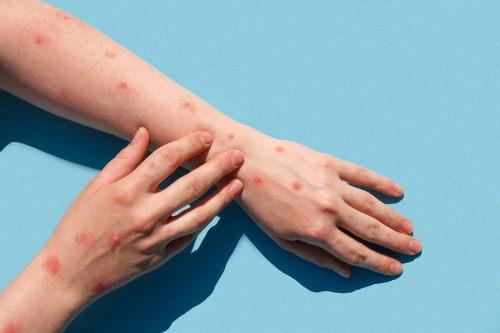
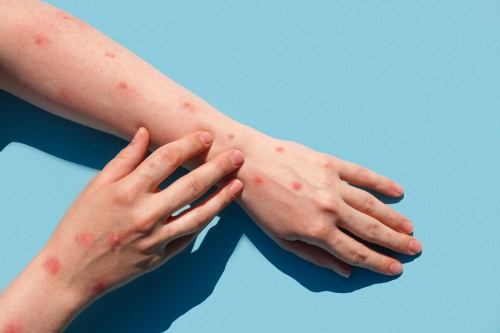
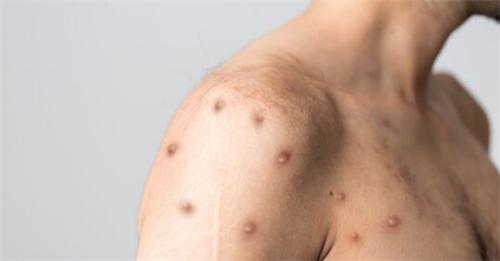
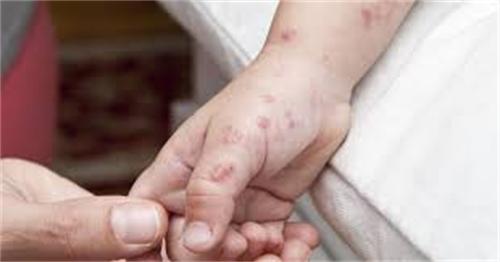
These symptoms are often or sometimes followed or accompanied by a rash, which typically begins on the face and spreads throughout the body, including the palms and soles of the feet. In many recent cases, the rash has also appeared on the genital and anal areas, or inside the mouth or throat. For some people, these areas are the first sites of infection. The lesions progress from flat spots to raised bumps to blisters (often containing fluid), to scabs, and finally to shedding. This process takes several weeks.
Mortality rates vary widely among clades. Clade I (particularly clade Ib) has historically had higher mortality rates than clade II. However, recent data suggest that some outbreaks have had lower mortality rates than in previous decades. Nevertheless, mortality rates remain high in some areas of Central and East Africa.
How is pox spread?
By close person-to-person contact: direct skin-to-skin contact (touching lesions, scabs), kissing, face-to-face contact, and sexual contact. This also includes contact with the mouth or mucous membrane sores.
Contaminated materials: bedding, clothing, towels, or objects that have come into contact with lesions.
Respiratory particles: In some cases, prolonged face-to-face contact or enclosed environments may lead to respiratory transmission.
Animal-to-human transmission: Bites or scratches from infected animals, contact with animal body fluids, handling wild animals or their carcasses, and cooking or consuming undercooked infected animal meat. The exact natural reservoir is unknown.
Vertical transmission: From pregnant woman to fetus, or to newborns during or after birth.
Why Mpox remains a concern (even though it is no longer a "global emergency")?
The lifting of the emergency does not mean the danger has passed. Several reasons warrant continued vigilance.
The burden and risk are uneven. Many affected countries, particularly in Central and East Africa, continue to face outbreaks of the more severe type Ib variant. Resources (vaccines, diagnostic tools, and trained personnel) are less available in these regions.
Vulnerable groups. Immunocompromised individuals (those living with HIV), children, and pregnant women continue to face worse outcomes. In some areas, mortality rates among these groups remain high.
The potential for new variants or clades to emerge. Viral diseases tend to evolve continuously. New subclades (such as type Ib) may behave differently—becoming more contagious, causing more severe illness, or being less responsive to existing diagnostics or vaccines.
Gaps in diagnosis and surveillance. In many places, detection is delayed and underreporting is significant. Furthermore, some new cases present with lesions that resemble other conditions (sexually transmitted infections, skin diseases), making misdiagnosis quite common.
There is a risk of spillover. This includes both geographic spread (mobility of people) and the potential reintroduction of the virus from animal reservoirs. Furthermore, the potential zoonotic source remains unclear.
Practical Tips: What You Should Do
The following are recommendations for individuals, communities, and health systems to stay safe and contain the spread of MPOX.
For Individuals
Pay attention to symptoms. If you develop a fever, swollen lymph nodes, a sore throat, and notice a rash or skin lesions (especially on the genitals, anus, face, or hands), seek medical attention. Limit contact with others who exhibit these symptoms until you have been diagnosed or recovered.
Practice good hygiene: wash your hands; cover wounds, rashes, and lesions; and avoid sharing personal items.
If you are in a high-risk group or may be exposed to the virus (travel, certain job roles), investigate vaccine options.
Don't discriminate. Anyone can get MPOX. Stigma may prevent people from reporting symptoms or seeking treatment.
For communities and policies
Maintain or strengthen surveillance systems. Testing, laboratory confirmation, and reporting must continue, even during the "non-emergency" phase.
Ensure access to vaccination for vulnerable or high-risk groups.
Invest in public health education—clearly communicate information about how poxvirus spreads and how to protect yourself.
Support research into diagnostics, treatments, and vaccine efficacy, particularly for newer clades.
Prepare stockpiles and logistical plans in case of a resurgence.
Even though the World Health Organization has lifted the global public health emergency, poxviruses remain a cause for concern. While the situation has improved in many places—declining cases and deaths, and stronger response mechanisms—the risk is far from over. Particularly in parts of Africa, the emergence of type Ib viruses, vulnerable populations, ongoing transmission, and insufficient resources make comprehensive control of the disease challenging.
The key for you is to understand the symptoms, understand transmission, get vaccinated, practice preventative health measures, and support the continued operation of strong surveillance and response systems.