Hydration Tips: Electrolyte Drinks, Coconut Water, and Smarter Choices
Water is the essence of life. While it may sound cliché, the importance of proper hydration cannot be overstated. The human body is composed of approximately 60% water, a fluid that plays a key role in nearly every physiological process, from maintaining body temperature to maintaining cellular function. Adequate hydration helps regulate blood pressure, facilitates digestion, aids detoxification, protects joints, and even improves cognitive function.
However, despite this knowledge, many people still struggle to maintain optimal hydration. Busy lifestyles, a reliance on caffeinated or sugary drinks, and ignoring subtle thirst cues can all lead to dehydration—sometimes without realizing it. Fortunately, modern hydration strategies go beyond simply "drinking more water." Smarter choices, such as consuming electrolyte drinks, coconut water, and hydrating foods, can significantly improve your body's efficiency in retaining water.
Electrolytes: The Hidden Key to True Hydration
Electrolytes are electrically charged minerals that are essential for normal cellular function. Common electrolytes include sodium, potassium, calcium, magnesium, chloride, bicarbonate, and phosphate. They are responsible for maintaining fluid balance, transmitting nerve signals, regulating muscle function, and maintaining overall homeostasis.
When the body loses water through sweating, illness, or overheating, electrolytes are also lost. If these electrolytes are not replaced, even consuming adequate fluids may not fully restore the balance, leading to fatigue, cramps, headaches, and in severe cases, more serious health problems such as hyponatremia (low sodium).
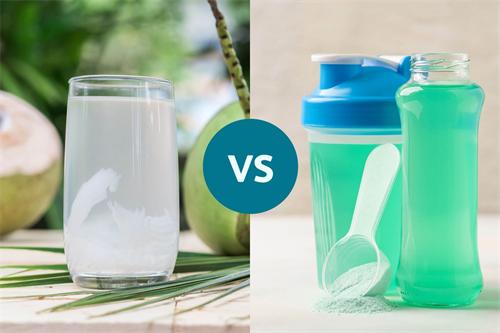
Electrolyte-rich beverages, unlike plain water, can quickly restore the body's mineral balance. For example, athletes often rely on sports drinks during prolonged exercise to replenish sodium and potassium, which are essential for muscle contraction and nerve communication. But electrolytes aren't just for athletes—they are beneficial for anyone exposed to hot climates, engaging in physical labor, or experiencing dehydration due to illness.
Electrolyte Drinks: Choosing Wisely
Electrolyte drinks come in a wide variety, from commercial sports drinks to shakes and even homemade solutions. While they are effective, proper consumption and proper use are crucial. Water should remain your primary source of daily hydration. Excessive consumption of commercial electrolyte drinks can lead to unnecessary sugar intake and, in some cases, mineral imbalances.
Check the ingredients: Choose drinks with a balanced balance of sodium, potassium, and magnesium. Avoid added sugars or artificial flavors.
Consider the application: Electrolyte drinks are recommended when sweating profusely, exercising vigorously, or recovering from illness. For daily hydration, plain water is usually sufficient.
DIY Solution: Simply combine water, a pinch of salt, a small amount of natural fruit juice, and a dash of honey to create a simple homemade electrolyte drink. It provides essential electrolytes without any unnecessary additives.
Coconut Water: A Natural Hydrator
Coconut water is growing in popularity as a natural hydration alternative. Unlike many processed beverages, coconut water is low in calories, fat-free, and naturally contains electrolytes such as potassium, sodium, magnesium, and calcium. Potassium is essential for cardiovascular health, helping regulate blood pressure and maintain normal muscle and nerve function.
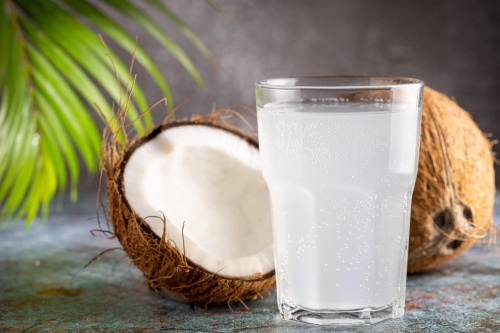
In addition to electrolytes, coconut water also contains antioxidants that help neutralize free radicals and reduce oxidative stress. Some studies suggest that coconut water may help lower cholesterol levels and benefit heart health, but more research is needed to fully confirm these benefits.
When choosing coconut water, be sure to choose unsweetened and unflavored varieties. Many commercial coconut waters have added sugars or preservatives, which can reduce their overall health benefits. For best results, drink it chilled and consider it with light exercise or as a post-workout recovery drink.
Smarter Hydration Habits in Everyday Life
Hydration isn't just about what you drink; it requires incorporating habits into your lifestyle to promote consistent fluid balance. Here are some practical strategies:
Eat more water-rich foods
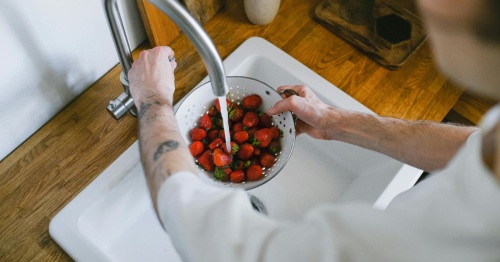
Fruits and vegetables like cucumbers, watermelon, oranges, celery, and strawberries are high in water. These foods not only help with hydration but also provide essential vitamins, minerals, and antioxidants.
Schedule Your Water Drinking
It's easy to forget to drink water during a busy day. Setting reminders, using apps, or establishing a regular drinking habit (for example, drinking a glass of water with each meal) can ensure consistent hydration.

Naturally Flavored Water
Adding citrus fruits, berries, or herbs like mint and basil can make plain water more appealing. This encourages people to drink more water without the added sugars of commercially flavored drinks.
Monitoring Your Hydration
A simple way to do this is to check your urine color. A light yellow color indicates good hydration, while a dark yellow color indicates you need more fluids. Also watch for other symptoms, such as dry mouth, fatigue, or headaches.
Balancing Diuretics
Caffeinated beverages and alcohol increase urine production and can cause fluid loss. Drink these beverages in moderation and always drink enough water.
Hydrate Before You Feel Thirst
Thirst is a late sign of dehydration. Consistently hydrating throughout the day can prevent dehydration.
Special Considerations: Hydration for Different Populations
Athletes and Fitness Enthusiasts: For high-intensity or prolonged exercise, electrolyte drinks or coconut water can help with recovery and enhance performance. Post-exercise hydration should aim to replace fluids and electrolytes lost through sweat.
Elderly: Aging can reduce thirst, putting older adults at risk for dehydration. Hydration and regular drinking are particularly important.
Ill People: Conditions such as diarrhea, vomiting, or fever can increase fluid and electrolyte losses. Electrolyte drinks can help prevent dehydration and promote recovery.
Pregnant and Breastfeeding Women: Adequate hydration is crucial for maintaining the health of both mother and baby. Maintaining electrolyte balance is also crucial, especially during periods of increased fluid needs.
Advanced Hydration Strategies
For those looking to further optimize hydration, consider the following tips:
Pre-Exercise Hydration: Drinking water or a light electrolyte drink before activity can improve performance and delay dehydration.
When to Rehydrate: Drinking water at intervals throughout the day is more effective than consuming large amounts all at once. Drinking small, frequent doses maintains a stable fluid balance and prevents overloading the kidneys.
Monitoring Electrolyte Intake: Dietary sources of electrolytes (such as potassium from bananas, magnesium from leafy greens, and calcium from dairy products) can complement hydration strategies and reduce reliance on supplements.
Be Aware of Your Environment: Hot and humid environments can increase fluid loss. Adjust your hydration strategy accordingly, increase your fluid intake, and consider supplementing with electrolyte drinks during extended outdoor activities.
Proper hydration isn't a one-size-fits-all approach. While water is the foundation of healthy hydration, smarter strategies—including consuming electrolyte drinks, coconut water, and water-rich foods—can optimize fluid balance and overall health. By understanding your individual needs, monitoring your hydration status, and developing a consistent habit, you can improve your energy levels, cognitive function, and physical performance.
Hydration is more than a habit; it's a lifestyle. Making smart choices about what to drink, when to drink, and understanding your body's needs is one of the simplest yet most effective steps toward long-term health and well-being. Master these hydration tips and you'll be better prepared to feel refreshed, energized, and energetic every day.