
The Water Footprint of Your Diet: How to Eat Healthy and Reduce Water Waste
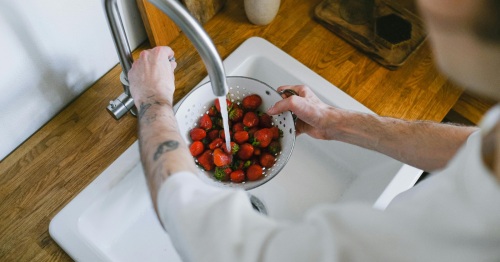
When we think of conserving water, images often come to mind of turning off the tap while brushing our teeth or fixing a leaky faucet. However, one of the most significant contributors to water consumption lies hidden in our daily diets. The water footprint of our food—the total amount of freshwater used to produce the food we eat—is a crucial yet often overlooked aspect of environmental sustainability.
With over 2 billion people living in water-stressed countries, understanding the water footprint of our diet is more important than ever. Agriculture accounts for approximately 70% of global freshwater consumption, a significant portion of which is used for food production. In regions where water scarcity is a growing concern, the water footprint of our food is particularly important.
What is a water footprint?
The water footprint of a product refers to the total amount of freshwater used to produce that product, from raw material extraction to final product delivery. It includes:
Blue water: Water from rivers, lakes, and aquifers used for irrigation and processing.
Green water: Rainwater stored in the soil and used by plants for growth.
Greywater: Water required to dilute pollutants and maintain water quality standards.
Understanding these components helps assess the environmental impact of various foods and make informed choices.
Water Footprints of Common Foods
Different foods have varying water requirements. For example, producing one kilogram of beef requires approximately 15,000 liters of water, while producing the same amount of chicken requires about 4,300 liters. In contrast, plant-based foods generally have a lower water footprint. Vegetables require an average of about 300 liters of water per kilogram, and fruit requires about 900 liters per kilogram.
However, not all plant-based foods are equally water-efficient. Nuts, particularly almonds, have a high water footprint due to the extensive irrigation required for their cultivation. For example, almonds require approximately 9,063 liters of water per kilogram. Therefore, while plant-based diets are generally more water-efficient, the specific water requirements of each food must be considered.
The Environmental Impact of Water Use
Agriculture accounts for a significant portion of global freshwater consumption, consuming an estimated 70% of the world's available freshwater. The water footprint of food is particularly important in regions like California where water scarcity is a growing concern. For example, producing a single hamburger consumes over 660 gallons of water, equivalent to showering for 10 minutes daily for two months.
These figures highlight the importance of choosing sustainable foods to reduce water stress, especially in drought-prone areas.
Strategies for Reducing Your Water Footprint
1. Adopt a Plant-Based Diet
Switching to a plant-based diet can significantly reduce your water footprint. Including more fruits, vegetables, legumes, and whole grains in your diet not only conserves water but also offers numerous health benefits, including a reduced risk of chronic disease.
2. Choose Water-Efficient Foods
Choose foods that use less water to produce. For example, pulses like lentils and beans have a lower water footprint than animal protein. Additionally, choosing locally grown produce reduces transportation water usage and supports sustainable agricultural practices.
3. Choose Sustainable Animal Products
If you choose to eat animal products, choose those produced sustainably. Grass-fed beef and poultry generally have a lower water footprint than conventionally raised animals because they rely more on rainfall than on irrigated feed crops. Furthermore, supporting local and organic farms can promote more water-efficient agricultural practices.
4. Reduce Food Waste
Globally, approximately one-third of food is wasted, resulting in unnecessary water consumption. By planning meals, storing food properly, and utilizing surpluses, you can minimize food waste and its associated water footprint.
6. Support Sustainable Agriculture
Choose products from farms that use water-efficient irrigation techniques and sustainable farming practices. Look for certifications like organic or fair trade, which often indicate environmentally friendly practices.
7. Choose Whole Foods over Processed Foods
Whole foods, such as fresh fruits, vegetables, and grains, typically require less water to produce than processed foods. Processed foods require water not only to grow the ingredients but also additional water for production, packaging, and transportation. Choosing whole foods can reduce your water footprint and your intake of added sugars, unhealthy fats, and preservatives.
8. Understand the Sources of Your Food
Understanding the source of your food can help you make more sustainable choices. Food grown in water-rich regions is generally more sustainable than food grown in arid areas. Also, consider the seasonality of produce to reduce the environmental impact of out-of-season plantings. 9. Support Water-Efficient Agricultural Practices
Supporting farmers who implement water-efficient practices helps reduce the overall water footprint of food production. Techniques like drip irrigation, rainwater harvesting, and soil moisture management can help conserve water. Look for certifications like organic or fair trade, which often indicate more environmentally friendly practices.
10. Beware of High-Water-Using Crops
Some crops, such as almonds and avocados, require significant amounts of water to produce. While these crops may be better than meat in terms of overall water usage, it's beneficial to consume them in moderation or choose more sustainable alternatives whenever possible.
11. Grow Your Own Food
If you have the space, consider growing your own fruits and vegetables. Home gardening can control water usage and reduce the carbon footprint associated with transporting food. Additionally, homegrown produce often tastes better and is free of pesticides and other chemicals.
Health Benefits of a Water-Efficient Diet
Adopting a water-efficient diet can also have positive effects on your health. A plant-based diet is rich in essential nutrients, dietary fiber, and antioxidants, which can help improve overall health. Furthermore, reducing your intake of processed and red meat has been linked to a lower risk of chronic diseases like heart disease, diabetes, and certain cancers.

The water footprint of your diet is crucial for both environmental sustainability and personal health. By making smart dietary choices—such as consuming more plant-based foods, reducing food waste, and supporting sustainable agricultural practices—you can reduce your water footprint and contribute to a more sustainable future.
Start by evaluating your current diet and identifying areas for change. Consider using tools like the Water Footprint Calculator to understand the water usage of different foods. By making small, smart changes, you can significantly reduce your water footprint and contribute to a more sustainable, healthier world.