Understanding Fatty Liver Disease: Lifestyle, Diet, and Prevention
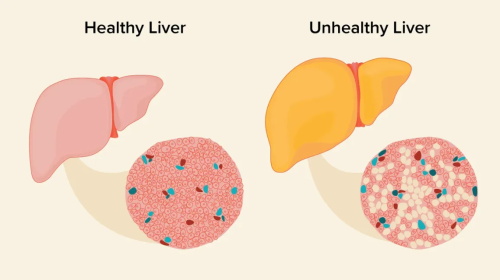
Fatty liver disease is becoming increasingly common worldwide, and the reasons are obvious: changes in diet and lifestyle, along with rising rates of obesity and metabolic disorders, contribute to it. But there's also good news. Many of these contributing factors are modifiable. With the right lifestyle, diet, and prevention strategies, many people can prevent or even reverse the early stages of fatty liver disease, prevent its progression, and reduce their risk. This article will delve into what fatty liver disease is, what current science reveals about the impact of lifestyle and diet, and how to effectively prevent it.
What is fatty liver disease?
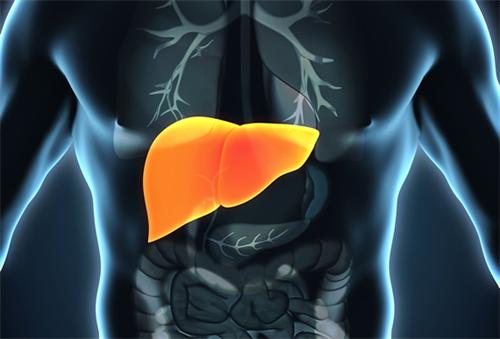
Non-alcoholic fatty liver disease (NAFLD) is a condition in which fat accumulates in the liver in people who drink little or no alcohol. The terminology for this condition has evolved in recent years; you may also hear the term MASLD (metabolic dysfunction-associated fatty liver disease).
Non-alcoholic steatohepatitis (NASH) falls into this category: fatty liver disease accompanied by inflammation and, sometimes, damage. In newer terminology, the severe form of the disease with inflammation is sometimes referred to as MASH. As the disease progresses, it can lead to fibrosis (scarring), cirrhosis, liver failure, and even liver cancer.
Why It Matters?
Prevalence is very high: An estimated 30-40% of adults in many Western countries have NAFLD/MASLD; the prevalence is increasing globally.
Even people with normal weight ("lean NAFLD") can develop the disease if they have metabolic risk factors.
Fatty liver disease is associated with an increased risk of cardiovascular disease, type 2 diabetes, certain types of cancer, and overall mortality.
What the Latest Research Says About Diet and Lifestyle?
In recent years, there has been increasing understanding of which lifestyle/dietary changes are most effective. Here are some key findings:
Weight loss is key: Losing 5-10% of body weight can reduce liver fat and improve inflammation. Significant weight loss (≥10%) is often associated with regression of fibrosis. Even smaller weight loss (3-5%) can help treat lean NAFLD.
Calorie restriction/low-calorie diets: Reducing total daily calorie intake is effective, especially when combined with a high-quality diet. Clinical practice guidelines recommend reducing 500–1000 calories per day, or setting specific calorie intake ranges based on body size.
Dietary composition matters:
Diets high in saturated fat, processed meats, and added/free sugars can worsen fatty liver disease.
Diets such as the Mediterranean diet (rich in whole grains, vegetables/fruits, healthy fats, lean protein, and fish) have been shown to help reduce fat accumulation, inflammation, and fibrosis.
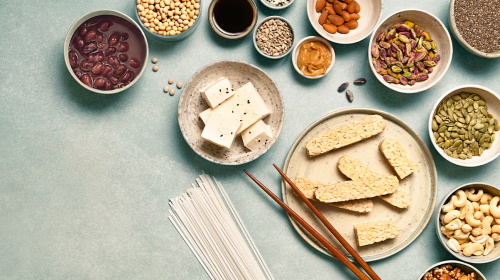
Foods with antioxidant and anti-inflammatory properties can help relieve pain: for example, green tea, broccoli, nuts (especially walnuts), and coffee. Garlic and soy/whey protein have also shown promising results.
Physical activity: Regular aerobic exercise can help reduce liver fat, even without significant weight loss. Resistance (strength) training offers additional benefits. Guidelines generally recommend 150–300 minutes of moderate-intensity aerobic exercise or 75–150 minutes of vigorous-intensity aerobic exercise per week. Exercise can also help improve insulin sensitivity.
Lifestyle and Overall Profile: Researchers have begun categorizing people based on their "lifestyle profiles" (diet quality, physical activity, sedentary behavior, sleep, alcohol consumption, and smoking). Results indicate that people with healthier lifestyles have lower rates of disease and better survival after developing the condition.
Fasting/Time-Restricted Dieting: Some studies suggest that periods of fasting or intermittent fasting can improve liver health, reduce fat accumulation, and increase enzyme levels.
The Role of Micronutrients and Phytochemicals: Diets rich in fruits, vegetables, legumes, nuts, and seeds are rich in phytochemicals (polyphenols, carotenes, etc.) and antioxidants, which can reduce oxidative stress, inflammation, and even influence gut microbiota. These are all beneficial.
Avoiding Harmful Ingredients: It's crucial to limit or avoid added sugars/fructose, saturated fats (especially from processed meats and fried foods), ultra-processed foods, and alcohol. Refined grains are less desirable than whole grains.
Dietary Recommendations and Foods to Include or Avoid
To make prevention more practical, here are some practical tips and specific foods that may be beneficial (or harmful) based on current evidence.
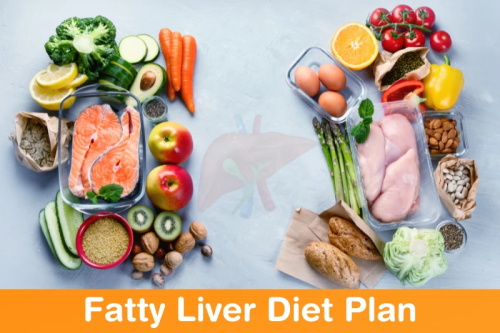
Mediterranean Diet: Emphasizes olive oil, fish, vegetables, legumes, nuts, and whole grains. This diet has been repeatedly shown to reduce liver fat and inflammation.
Omega-3 Fatty Acids: Fatty fish (salmon, sardines), flaxseed, and walnuts. These fatty acids can help improve blood lipid profiles and reduce liver fat.
High-Fiber Foods: Vegetables, fruits, whole grains, and legumes. They can slow digestion, improve insulin sensitivity, and nourish a healthy gut flora.
Coffee: Regular coffee consumption has been linked to a reduced risk of fibrosis, a condition associated with non-alcoholic fatty liver disease (NAFLD).
Garlic/Alliums: Some studies suggest that garlic supplements can improve metabolic health and reduce liver fat.
Green Tea: The catechins and antioxidants in green tea help reduce oxidative stress and fat accumulation.
Foods or Habits to Limit or Avoid
Added Sugars/Fructose: Soft drinks, sweetened beverages, candy, and desserts. High fructose levels can contribute to liver fat accumulation.
Refined grains and simple carbohydrates: White bread, white rice, and sugary breakfast cereals. Whole-grain alternatives are recommended.
Saturated and trans fats: Red/processed meats, certain dairy products, and fried/trans-fat-rich foods.
Ultra-processed foods: These are often high in sugar, salt, unhealthy fats, and low in dietary fiber. These are particularly harmful to your health.
Excessive alcohol consumption: Even moderate alcohol consumption can worsen liver damage if you already have liver disease.
Other nutrients
Micronutrients and phytochemicals: Vitamins, polyphenols, and antioxidants have protective effects. A diet rich in vegetables, fruits, herbs, and spices can provide these nutrients.
Protein quality: Fish, poultry, lean plant-based proteins; whey or soy protein may help reduce liver fat.
Fatty liver disease is a serious condition, but if treated early, it is largely preventable and often reversible. The foundations of prevention and treatment are clear: a healthy diet (especially whole, minimally processed, and rich in plant-based foods, healthy fats, and low in added sugars and saturated fats), exercise (cardio and resistance training), weight management, good sleep, avoiding harmful behaviors like excessive alcohol consumption or ultra-processed foods, and regular monitoring.
Emerging tools—such as artificial intelligence for diagnostics, new drugs for serious illnesses, and a deeper understanding of lifestyle—offer more hope. However, they supplement, not replace, the powerful influence of daily diet and lifestyle.
Through gradual, sustainable changes—loss of a modest amount of weight if necessary, improving diet quality, exercising regularly, and managing other health risks—many people can prevent fatty liver disease, reverse its early stages, and reduce the risk of complications.