
Eye Health in the Digital Age: Blue Light, Screen Time, and Treatments for Dry Eyes

In modern society, digital screens have become an integral part of daily life. From smartphones and tablets to laptops, smartwatches, and televisions, our eyes are constantly exposed to the glare of screens. Technology has transformed the way we work, learn, and relax, but this shift has also brought with it a host of new health challenges. One of the most pressing issues is how this digital dependence affects our eyes.
Eye health in the digital age is a real and increasingly pressing issue. Millions of people report symptoms of digital eye strain (also known as computer vision syndrome). Blue light exposure, prolonged screen time, and symptoms like dry eyes are all common consequences of our digital habits. The good news is that increased awareness, preventative measures, and viable treatments can make a huge difference.
The Rise of Digital Eye Strain
Digital eye strain is more than just a modern buzzword; it's a real phenomenon with measurable symptoms. It occurs when the eyes are forced to work harder than usual due to prolonged screen time.
Common symptoms include: eye strain or heaviness, irritation, a burning or gritty sensation, blurred or double vision, increased sensitivity to light, frequent headaches, difficulty focusing at a distance, and neck, back, or shoulder pain (due to improper posture when viewing a screen).
Digital devices pose such unique challenges to our eyes because of the way we use them. Unlike reading a book or appreciating a distant landscape, using a screen requires sustained attention, close viewing, and exposure to artificial light. Over time, these habits can stress the visual system and cause discomfort.
Why Screens Cause Eye Strain?
Reduced Blinking Rate
Normal humans blink about 15-20 times per minute. When staring at a screen, blinking decreases by nearly half. Reduced blinking means less lubrication, which can exacerbate dry skin and irritation.
Improper Viewing Distance
Screens are often held too close, too far, or at an awkward angle. This overworks the eye muscles and can even lead to headaches or blurred vision.
Glare and Unbalanced Lighting
Sunlight reflected from a bright screen or monitor in a dark room creates contrast that is difficult for the eyes to adjust to.
Prolonged, uninterrupted concentration differs from the natural rhythm of attention shifts in daily life, and screen work requires prolonged, close-up focus, which can strain the eyes.
The impact of blue light
One of the most controversial topics in modern eye health is exposure to blue light. Blue light, a form of high-energy visible light (HEV), comes not only from digital screens but also from sunlight, LED lighting, and fluorescent lighting. Concerns about blue light include:
● Sleep cycle disruption, as blue light suppresses melatonin (a hormone that helps regulate sleep).
● Potential eye fatigue and strain.
● Long-term risks, such as retinal stress (although the scientific evidence remains mixed).
It's important to note that the intensity of blue light emitted by screens is far lower than the amount we receive from natural sunlight. However, the timing and duration of screen exposure are crucial. For example, late-night screen use can disrupt circadian rhythms and affect sleep quality. While the link between blue light and permanent eye damage is still under investigation, many experts agree that minimizing unnecessary exposure—especially before bedtime—is a wise precaution.
Dry Eyes Are a Growing Problem
Dry eyes are another growing problem in the digital age. When the eyes don't produce enough tears or tears evaporate too quickly, they cause discomfort, irritation, and sometimes blurred vision. Digital devices can exacerbate dry eyes because:
● Blinking is reduced when using a screen.
● Indoor environments with air conditioning or heating accelerate tear evaporation.
● Prolonged periods of focused attention reduce the natural replenishment of tears.
Over time, untreated dry eyes can lead to inflammation and even damage the corneal surface. With many people working remotely or spending their free time online, dry eyes have become a common and often misdiagnosed condition.
Strategies for Protecting Eye Health
While our digital lifestyles aren't going away anytime soon, there are many practical steps we can take to reduce eye strain and prevent long-term problems.
1. The 20-20-20 Rule
Take a 20-second break every 20 minutes to look at an object at least 20 feet (approximately 6 meters) away. This simple trick helps relax eye muscles and encourage more frequent blinking.
2. Adjust Screen Settings
Lower brightness to match your surroundings.
Increase text size and contrast to reduce squinting.
Use "night mode" or a warm light setting at night to minimize blue light exposure.
3. Optimize Your Workspace
Place your screen about an arm's length away.
Keep the top of your monitor at or slightly below eye level.
Use a matte screen filter or anti-glare coating.
Ensure balanced lighting—neither too dim nor too harsh.
4. Blinking Practice
Maintaining a conscious reminder to blink more often can help. Some people find that placing a sticky note saying "Blink!" on their monitor acts as a gentle reminder.
5. Artificial Tears and Eye Drops
Lubricating eye drops can help relieve dryness. Regular use of preservative-free eye drops is generally recommended. For chronic dry eyes, your eye doctor may recommend specific treatments, such as prescription eye drops, warm compresses, or tear duct plugs.
6. Correct Posture
Maintaining an ergonomic posture not only prevents neck and shoulder pain but also ensures your eyes are at the correct angle relative to the screen.
7. Limiting Screen Time for Entertainment
It's also important to pursue non-electronic hobbies outside of work, such as reading a physical book, taking a walk outdoors, or exercising. This can reduce your cumulative screen time.
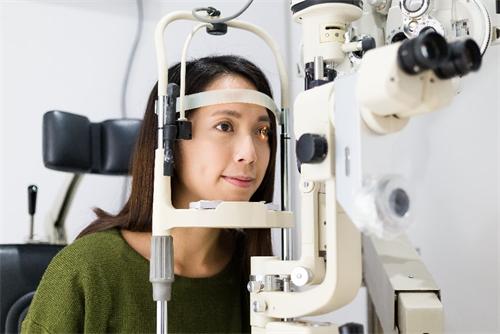
The Role of Regular Eye Exams
Even after taking preventative measures, regular eye exams are crucial. Many people underestimate how quickly vision changes and how subtle the early signs of eye disease can be. Eye care professionals can:
● Detect early signs of diseases like glaucoma or macular degeneration.
● Prescribe corrective lenses optimized for screen use.
● Recommend customized strategies for digital eye strain and dry eyes.
Annual or biennial exams are especially important for those who spend more than six hours a day using digital devices, which currently makes up the majority of adults.
The digital age has profoundly reshaped our daily lives. While screens have become an integral part of work, communication, and entertainment, they also place unique demands on our eyes. Exposure to blue light, prolonged screen time, and the growing incidence of dry eye syndrome highlight the importance of maintaining eye health.
Protecting your eyes isn't about giving up technology; it's about using it wisely. By adopting simple strategies—such as following the 20-20-20 rule, maintaining proper posture, staying hydrated, eating nutritious foods, and getting regular eye exams—we can minimize eye strain and protect our vision.
Our eyes are one of our most precious organs. In this digital age, where we're constantly connected to various devices, proactive eye care is key to ensuring clear and comfortable vision for years to come.