Functional Foods and Adaptogens: Boosting Stress Resilience and Immune Health
In our fast-paced modern lives, the dual burden of stress and immune challenges (whether from pathogens, environmental toxins, or lifestyle habits) is a constant. Fortunately, a growing body of research suggests that what we eat—and the plant compounds, herbs, and adaptogens we consume—can significantly impact our ability to cope with stress and maintain a strong immune system. "Functional foods" and adaptogens represent two overlapping yet distinct approaches in nutritional science that hold promise for helping us adapt, resist, and recover.
What are functional foods?
"Functional foods" are foods that have been modified or selected to not only provide basic nutritional value (i.e., fats, carbohydrates, protein, essential vitamins/minerals) but also offer physiological benefits beyond standard nutritional levels that can help reduce disease risk or improve physical function. Key attributes of functional foods include:
● Rich in bioactive compounds (e.g., polyphenols, flavonoids, carotenes).
● Containing probiotics, prebiotics, or synbiotics that modulate the gut microbiome.
● Contains enhanced or fortified micronutrients (vitamins D, C, zinc, selenium) in a bioavailable form.
May be modified through techniques (e.g., encapsulation, special processing) to maintain or enhance the bioactivity of labile compounds.
Functional foods go beyond simply increasing antioxidant capacity to modulate the immune system (innate and adaptive), inflammation, redox balance, barrier function (skin, intestinal lining), and other foundational systems.
What are adaptogens?
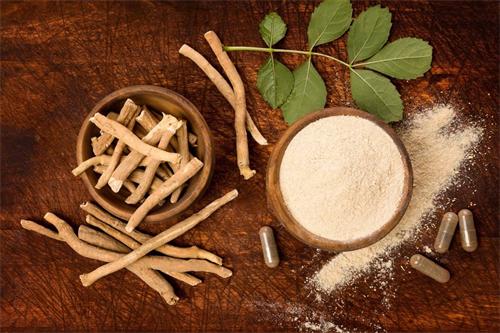
Adaptogens are a class of herbs, roots, fungi, and sometimes other botanicals that are believed to help the body adapt to various stressors (physical, emotional, environmental) by supporting homeostasis, resilience, and stress response systems (such as the hypothalamic-pituitary-adrenal (HPA) axis). Common key characteristics of adaptogens:
● When used correctly, they are nontoxic and generally safe.
● They act in a nonspecific manner: rather than targeting a single organ or system, they affect regulatory networks (the HPA axis, immune response, oxidative stress, neuroendocrine system).
● They help increase resilience to stress, reduce fatigue, and improve mental stamina/endurance, especially during times of stress.
Some of the more well-researched adaptogens include Rhodiola rosea, Ashwagandha (Withania somnifera), Schisandra chinensis, Panax ginseng, Holy Basil (Tulsi), and some medicinal mushrooms (such as Reishi/Ganoderma lucidum).
How Functional Foods and Adaptogens Impact Stress and Immunity?
Stress Response, HPA Axis, and Molecular Regulators
When our bodies experience a stressor—whether it's emotional stress, a pathogen, or sleep deprivation—the HPA axis activates. Cortisol and other stress hormone levels rise, immune system signaling changes, inflammation may increase, and oxidative stress may rise. Adaptogens appear to intervene at several molecular checkpoints:
● Regulate cortisol and balance the release of stress hormones
● Regulate molecular chaperones like Hsp70 and signaling pathways like JNK1 and FOXO/DAF-16, helping cells cope with stress at the protein level.
● Reduce oxidative stress (i.e., reactive oxygen species) and support mitochondrial function.
Immunomodulation, Inflammation, and the Gut-Immune Axis
Functional foods and adaptogens also promote immune health through:
Antioxidant and anti-inflammatory pathways: Many bioactive compounds downregulate proinflammatory cytokines (e.g., IL-1β, IL-6, TNF-α) and/or upregulate or balance immune responses.
Microbiome-mediated effects: Prebiotics and probiotics can strengthen the gut barrier, increase short-chain fatty acid (SCFA) production, modulate the balance between Treg (regulatory T cells) and Th17 cells, and reduce systemic inflammation.
Enhancing innate immunity (e.g., macrophage and NK cell activity) and adaptive immunity (e.g., T and B cell responses), including, in some studies, improved vaccine responses.
Stress, Fatigue, and Mental Performance
Fatigue (mental and physical), poor concentration, and feelings of lethargy are common during periods of prolonged or intense stress. Various adaptogens have demonstrated benefits in clinical trials:
Reducing mental fatigue and enhancing concentration and cognitive function. An example is Rhodiola rosea.
Enhance endurance and reduce perceived workload during tasks. Research subjects include Schisandra chinensis and Eleutherococcus senticosus (Siberian ginseng).
Recent evidence suggests that
While traditional and anecdotal evidence has long suggested the efficacy of certain herbs and functional foods, recent preclinical and clinical studies are building a more rigorous picture—highlighting both promise and limitations.

Functional Foods and Immunity
In 2025, a major review examined 70 studies examining how functional foods containing vitamins, minerals, polyphenols, probiotics, fatty acids, and amino acids affect immune function. Findings include:
Improving immune responses through antioxidant, anti-inflammatory, and gut microbiome-mediated pathways.
Clinical trials have shown that certain populations have a lower risk of respiratory infections and better vaccine responses.
However, challenges remain: individual variability in the extent to which these compounds are absorbed or used (bioavailability), variations in microbiota or nutritional status, and further research is needed into safety and long-term effects.
Adaptogens and Stress/Fatigue
Rhodiola rosea extract (SHR-5) has been shown to improve mental performance, focus, and reduce fatigue, including in chronic fatigue.
Schisandra chinensis and Eleutherococcus senticosus also improve endurance and mental resilience, especially in cases of mild fatigue.
Adaptogens have been shown to upregulate stress sensors like Hsp70, helping cells process stress at the molecular level; they can also influence cortisol and nitric oxide (NO) balance, among other factors.
Practical Functional Foods and Adaptogens You Should Know About
Here are some foods and herbs that combine the properties of functional foods with the effects of adaptogens or are particularly helpful for stress/immunity, along with evidence, usage advice, and any precautions.
(The table remains the same as before—it lists uses, dosages, and precautions for ashwagandha, rhodiola rosea, holy basil, ginseng, schisandra chinensis, reishi mushrooms, beta-glucan-rich mushrooms, probiotics/prebiotics, polyphenol-rich foods, and micronutrients.)
How to Integrate Functional Foods and Adaptogens into Your Daily Life?
Understanding them is one thing; using them sustainably and safely is another. Here are some practical tips.
Start with a dietary foundation
Build on whole, minimally processed foods: plenty of vegetables, fruits, whole grains, healthy fats, and lean protein. These foods provide dietary fiber, micronutrients, polyphenols, and more. Without this foundation, the effectiveness of adaptogens or supplements will be limited.
Choose high-quality sources
Especially for herbs, mushrooms, and supplements: look for standardization (active ingredient content), third-party testing (heavy metals, contaminants), and good manufacturing practices. Harvesting, processing, and extraction methods are all important.
Persistence is crucial
Adaptogens and functional compounds often take time to work. Clinical studies typically show results after several weeks—usually 4-12 weeks. Dietary adjustments also take time.
Personalize
Your age, metabolic state, medical history, genetic background, current stressors, and gut microbiome all influence your response. What works for one person may not work for another. For example, if you have thyroid issues, certain herbal remedies may interfere; if you are immunocompromised, some immune-boosting strategies may need to be adjusted.
Monitor indicators whenever possible
This may mean tracking symptoms (stress, sleep, energy), as well as relevant lab tests: cortisol, vitamin D levels, inflammatory markers (such as CRP), and immune cell function (if any). This can help you make adjustments.
Use them holistically, not in isolation
Functional foods, adaptogens, and supplements are adjuncts to sleep, stress management, exercise, mental well-being, and toxin avoidance, not replacements. If stress levels are excessive or immune function is severely compromised, medical attention must be considered.
Stress and immune function are closely linked. Chronic stress weakens the immune system, while low immunity exacerbates stress. Functional foods and adaptogens are promising allies that, when combined with a balanced lifestyle, can boost immunity, reduce wear and tear, and support overall health.
Functional foods and adaptogens are not a panacea, but they are powerful, evidence-based tools for managing stress, boosting immunity, and promoting resilience. For best results, prioritize quality, consistency, personalization, and integration with essential lifestyle habits (sleep, exercise, stress management).