Food Labeling and Transparency: How New Policies Can Help Consumers Choose Healthier Foods
In recent years, public health organizations, government regulators, advocacy groups, and food manufacturers have increasingly called for improved food labeling and greater overall transparency. The goal is to provide consumers with clear, accurate, and practical information so they can more easily assess which foods are healthy, which ones to limit, and make more informed trade-offs when choosing foods. With rates of diet-related illnesses like obesity, diabetes, heart disease, and high blood pressure continuing to rise, these policy changes surrounding food labeling are more important than ever.
Why Food Labels Matter and What's Missing?
Food labels do several things:
● Disclose product content—ingredients, allergens, fat, added sugars, etc.
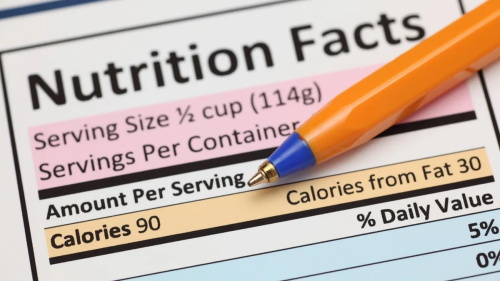
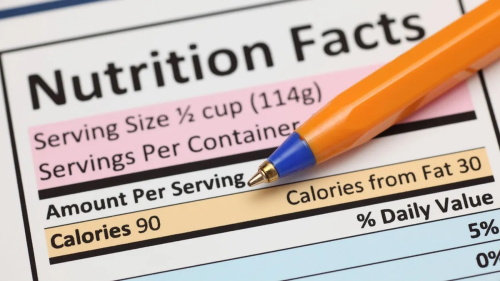
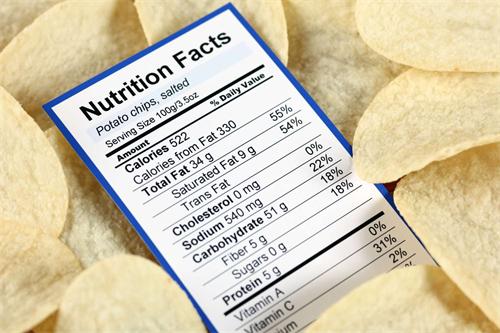
● Provide nutritional information—calories, macronutrients and micronutrients, and serving size.
● Provide context—what does "percent daily value" mean, what exactly is a "serving"?
● Assist in making trade-offs—balancing taste with health, cost with nutrition, and more.
Despite these goals, many labels still fall short of expectations in practice:
They often use technical language, small fonts, or dense designs, making them difficult for many consumers to quickly understand.
Key information is sometimes hidden on the back or side of the package, rather than readily visible.
Marketing claims such as "natural," "light," "healthy," and "made with fruit" can distract from or mask less healthy aspects (such as high sugar or sodium).
Sometimes, safety claims or statements (for example, regarding additives or chemicals) are based on self-assessed assessments by the manufacturer, rather than independent or fully transparent oversight.
As awareness of diet-related health risks grows, pressure for reform is growing: clearer labeling, more standardized and robust regulation, and greater transparency.
Changes: New Policies and Proposals
The following are some key developments in food labeling reform, particularly in the United States, as well as representative international and local examples. They reflect efforts by countries to bridge gaps and improve the usefulness and credibility of labels.
1. Front-of-Pack (FOP) Nutrition Labeling
A major shift is the move to front-of-package nutrition information: labels on the front of the product display key nutrients (such as sugars, saturated fat, and sodium) in an easy-to-understand format.
The proposed rule aims to require most packaged foods to display a "Nutrition Information Box" on the front of the package, which would list the levels of saturated fat, sodium, and added sugars as low, medium, or high, respectively. This move is intended to make it faster and easier for consumers to compare products and make healthier choices.
Front-of-Package (FOP) labeling would not replace the full Nutrition Facts panel but would complement it by providing simpler, more prominent information.
These recommendations are supported by research, including experimental studies and focus groups, showing that when key nutrients are presented in a simple and prominent manner, people are more likely to notice them, make quicker comparisons, and make healthier choices.
2. A New Definition of "Healthy"
The term "healthy" on packaging has long been controversial, and until recently, many rules defining healthiness were outdated and out of sync with the latest dietary science. Key Changes:
To use a "healthy" claim on food packaging, products must now indicate that they contain a certain amount of food from at least one recognized food group (fruits, vegetables, whole grains, protein foods, dairy, etc.) while also meeting specified limits for saturated fat, sodium, and added sugars.

Foods that previously could claim to be "healthy" even if they were high in sugar or unhealthy fats may no longer meet the new standards. Conversely, some foods that were excluded under the old rules now meet the new standards (e.g., certain oils, nuts, seeds, fatty fish).
Manufacturers have time (several years) to fully comply with the regulations so they can adjust their recipes and labels accordingly.
3. Greater Allergen and Ingredient Transparency
Allergen labeling is being expanded and clarified, with some previously lesser-known allergens being added to the required list.
When it comes to plant-based alternatives, labels will be scrutinized more closely so that consumers can understand the actual source (soy, almonds, etc.) and what additives, substitutions, or processing agents have been used.
There is also discussion about strengthening rules for "self-certification" ingredient safety—where manufacturers claim an ingredient is safe without necessarily submitting complete data to regulators. Transparency regarding additives or dyes, as well as assessment methods, is a growing concern.
4. Ingredient Safety Oversight
Due to concerns among many consumers about synthetic dyes, artificial sweeteners, and processed ingredients, regulatory policies are gradually pushing for increased oversight.
Some companies, either voluntarily or under regulatory pressure, are reducing or eliminating certain additives or switching to more natural or minimally processed alternatives.
Research Evidence: What Impact Do These Policies Have?
Policies are only effective if they can change behavior, product formulations, consumer perceptions, and ultimately improve health. Research to date shows promise, but also reveals complexities and limitations.
Improving Label Use and Understanding
Research shows that when simpler, easier-to-interpret labels are used (such as "low/medium/high" on the front of the label), people are more likely to notice the labels, use them to compare products, and correctly identify which ones are healthier.
Many consumers find traditional nutrition facts panels too cumbersome or confusing; improved label design can help reduce this barrier.
Behavior Change and Health Outcomes
There is evidence that labels do drive behavior: fewer people buy products high in sugar, sodium, or saturated fat when there are warning labels or simple positive labels.
However, for individuals, the effects are often small (e.g., small changes in calorie intake per meal), meaning that large-scale adoption and sustained enforcement are required to produce measurable population-level health benefits.
Industry Restructuring
One of the powerful effects of labeling policies is indirect: manufacturers can reformulate their products (reducing sugar, sodium, or unhealthy fats) so that they can avoid negative labels or qualify for "healthy" or "low" designations.
This has the potential to improve the overall food supply, rather than simply relying on consumers making better choices.
Why These Reforms Matter: Health Benefits and Equity?
These changes involve more than just better information—they address deeper issues of public health, equity, and the entire food environment.
Chronic Disease Burden: Poor diet is a major risk factor for many of the most serious preventable diseases, such as heart disease, stroke, type 2 diabetes, obesity, and some types of cancer. Reducing excessive intake of sodium, sugar, saturated fat, and ultra-processed foods, while increasing intake of fruits, vegetables, whole grains, lean proteins, and more, can have a large-scale positive impact.
Health Equity: Information gaps disproportionately impact low-income, rural, less educated, or marginalized groups. Simple, standardized, and eye-catching labels can help more people understand the foods they consume, thereby reducing disparities. If healthier options are widely and affordably available, these changes will help close health disparities.
Consumer Trust: Transparent labeling helps build trust. When people believe labels are truthful, standardized, and not misleading, they are more likely to trust them. Over time, this can strengthen confidence in regulatory systems and public health advice.
Changing the Food Environment: When manufacturers reformulate, remove harmful ingredients, or switch to healthier product lines in accordance with labeling regulations, it changes more than just individual choices—the overall choices available to everyone become healthier.
Initiatives to increase food transparency and clear labeling are more than just regulatory efforts—they have the potential to reshape the food environment, influencing how food is produced, purchased, and consumed, and improving public health.
Through policies like front-of-pack nutrition facts, updated definitions of "healthy," clearer transparency on allergens and ingredients, and increased oversight of additives, regulators are pushing for honest, understandable, and meaningful labeling.
However, for these reforms to succeed, they must be underpinned by solid design, consumer education, standardized definitions, and fair implementation. When these are achieved, information becomes power: empowering consumers to make better food choices, empowering businesses to produce healthier products, and empowering policies to create a healthier population. This promise is real—clearer, more honest labeling can help transform individual choices and the food supply, thereby reducing nutrition-related illnesses and promoting greater health.