
The Healthy Ritual of a Balkan Breakfast

In recent months, a breakfast known as the "Balkan breakfast" has taken social media by storm—not only for its visual appeal, but also for its promise of being healthy, easy to prepare, and nutritionally balanced. This trend resonates because it refocuses breakfast on whole foods: vegetables, fresh dairy, fermented foods, good fats, and a moderate amount of protein and bread. It evokes the long-held ideals of many traditional cuisines: nourishing, non-overly processed foods.
What is a "Balkan breakfast"?
While there's no single, monolithic "Balkan breakfast," popular versions typically include a variety of raw or lightly cooked vegetables (tomatoes, cucumbers, peppers, red onions), fresh or fermented dairy products (feta, yogurt, kefir), rustic bread, sometimes meat (cured meats like sausages or small portions of charcuterie), sauces like ajawal (a roasted vegetable sauce with peppers and eggplant), and sometimes eggs and healthy fats (olive oil, nuts).
In many social media versions, the layout resembles a board or platter: various elements are laid out side by side, and diners dig in as they please, combining a variety of flavors, textures, and nutrients in a more leisurely, community-like manner.
Nutrition Overview: What's Happening in the Body
1. Fiber and Gut Health
One prominent benefit is fiber. A breakfast rich in raw vegetables can provide most of your daily fiber needs in one sitting. Experts estimate that many Western diets fall short of the recommended fiber intake (typically around 25-30 grams per day), and this type of meal helps bridge the gap.
Fiber aids digestion, maintains regular bowel movements, and nourishes the beneficial microorganisms in the gut. Raw vegetables, with their intact cell walls, retain more fiber and certain phytonutrients than overcooked or processed vegetables. However, a word of caution: For those not accustomed to a high-fiber diet, suddenly increasing fiber intake may cause bloating, gas, and even diarrhea. Experts recommend a gradual approach.
2. Protein, Healthy Fats, and Micronutrients
Dairy: Feta or similar white cheeses, yogurt, and kefir are common choices. They provide protein and calcium, while fermented dairy products contain a dose of probiotics and beneficial microorganisms. They're good for both bones and the gut.
Eggs or cured meats provide additional protein and fat—essential for satiety, maintaining lean muscle mass, and balancing blood sugar. However, cured meats are high in sodium; moderation is crucial.
Healthy fats found in olive oil, nuts, and seeds aid in the absorption of fat-soluble vitamins (A, D, E, and K), benefit heart health, reduce inflammation, slow digestion, and help stabilize energy levels.
3. Energy, Satiety, and Blood Sugar
Because of its high fiber, protein, and healthy fat content, a Balkan breakfast can suppress hunger longer than sugary or starchy breakfasts. Blood sugar rises more slowly, helping to avoid a rapid insulin spike and the subsequent energy crash or increased appetite.
Furthermore, because many ingredients are whole, fresh, seasonal, and minimally processed, they tend to be higher in micronutrients: vitamins, minerals, and antioxidants—all of which are lacking in many modern diets. For example, vitamin C from fresh peppers or tomatoes; lycopene and other phytonutrients; and bioactive compounds from fermented dairy products.
How to Create a Healthy Balkan Breakfast?
A healthy Balkan breakfast starts with choosing whole, minimally processed foods that provide energy and nutrition for the day ahead. Focus on fresh vegetables, such as tomatoes, cucumbers, and peppers, which are staples in many Balkan households. These vegetables provide water, fiber, and essential vitamins, gently waking up the digestive system in the morning.
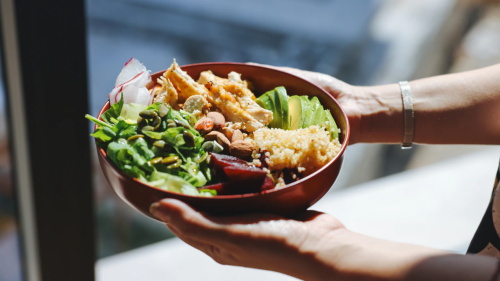
Next, add high-quality protein. In the Balkans, this often means free-range eggs, grilled cheese (such as feta or shirin), or probiotic-rich yogurt. This protein helps regulate blood sugar, keeps you fuller longer, and provides amino acids needed for muscle repair and brain function.
Healthy fats are another cornerstone of this diet. Drizzling vegetables with a drizzle of cold-pressed olive oil, eating a handful of olives, or adding a spoonful of tahini can provide heart-protective monounsaturated fats and promote the absorption of fat-soluble vitamins. Adding nuts like walnuts or almonds adds texture and a lasting feeling of fullness.
Whole grains contribute to a balanced meal. Traditional Balkan breads are often firm, rich in seeds, and nutritious, making them delicious when paired with cheese or spreads. For a healthier option, opt for rye or whole-wheat varieties, which provide steady energy and promote gut health through their fiber content.
Hydration is also crucial. Herbal teas, such as chamomile or mountain tea, are common in the region and aid digestion, possessing calming and antioxidant properties. A glass of lemon water can also be refreshing and aid digestion in the morning.
Finally, ritual is just as important as the food itself. In Balkan culture, breakfast is often enjoyed leisurely, with family or neighbors, and accompanied by meaningful conversation. This mindful approach to eating not only reduces stress but also promotes digestion and overall health. By combining fresh produce, clean proteins, healthy fats, whole grains, and practicing good eating habits, you can create a Balkan breakfast that is not only delicious but also a healthy start to the day.
Scientific Conclusions So Far
Researchers and nutritionists have begun studying this trend with great interest. Here are the findings:
Emphasizing raw vegetables and fresh dairy products aligns with optimal dietary practices for supporting gut health, reducing the risk of chronic disease, and improving nutrient intake.
Some studies and reviews indicate that, when prepared properly, a single serving of these spreads can provide half or more of the recommended daily fiber intake. This is both a benefit and, for some, a potential setback.
Experts also emphasize that making small changes—switching whole-wheat bread for white, choosing low-sodium cured meats, and eating in moderation—can preserve flavor and authenticity while improving long-term health.
On the other hand, public health authorities warn that some viral dietary patterns involve unhealthy extremes—too much cheese, too much cured meat or processed bread, large portion sizes, and high sodium intake. Repeating these patterns can be risky, especially for those with high blood pressure, cardiovascular disease, or digestive sensitivities.
Potential Side Effects and Risks
Any dietary trend, even one based on whole foods, can be flawed if it's unbalanced or overly restrictive.
Fiber Overload
As mentioned above, a sudden increase in fiber intake can cause digestive discomfort: bloating, gas, and diarrhea. Gradually increasing fiber intake can help.
Sodium and Saturated Fat
Curred meats, certain cheeses, commercially available pickles or sauerkraut, and salty breads all contain high amounts of sodium. Long-term, high sodium intake is associated with increased risk of high blood pressure and cardiovascular disease.
Curred Meats and Processed Foods
Some cured meats may contain high amounts of preservatives, nitrates/nitrites, and sometimes sugar in their marinades. The World Health Organization suggests that regularly consuming processed meats increases the risk of certain diseases. Moderation or choosing higher-quality, less processed meats is safer.
Portion Size and Calorie Load
Even a large portion or a high intake of high-fat cheeses and meats can lead to excessive calorie intake. Eating like a feast every day can disrupt the nutritional balance of a healthy breakfast.