The True Cost of a Healthy Diet Globally: What Food Prices Tell Us

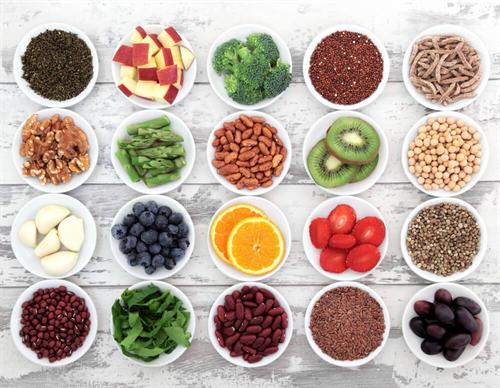
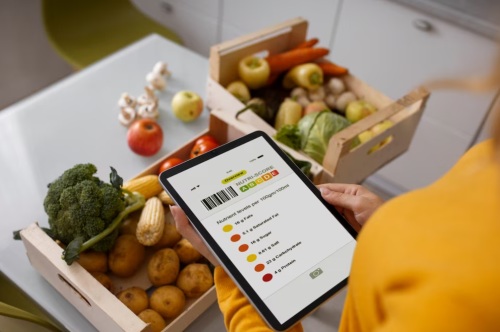
A healthy diet sounds like common sense: eat more fruits, vegetables, whole grains, legumes, nuts, lean protein, and less heavily processed foods. But for billions of people around the world, the definition of a "healthy diet" isn't simply a matter of personal choice; it's driven by cost. Recent data shows that in many places, a healthy diet is already significantly more expensive than a diet based on ultra-processed foods or staple carbohydrates. This disparity has consequences far beyond waistline: it affects child development, disease risk, economic inequality, and even how societies respond to climate change.
What Recent Research Reveals?
The Cost, Affordability, and Global Trends of a Healthy Diet
Approximately 2.6 billion people—about one-third of the world's population—cannot afford a healthy diet.
Globally, the average cost of a healthy diet in 2024, adjusted for purchasing power parity (PPP), is estimated to be approximately $4.46 per person per day.
Costs vary by region: Latin America and the Caribbean have the highest cost of a healthy diet (approximately $5.16 per day), while Oceania, Europe/North America, Asia, and Africa fall into other categories.
Even before 2024, in 2021, more than 3.1 billion people (approximately 42% of the world's population) could not afford a healthy diet. This figure has increased compared to before the COVID-19 pandemic.
Comparison with Unhealthy or Ultra-Processed Diets
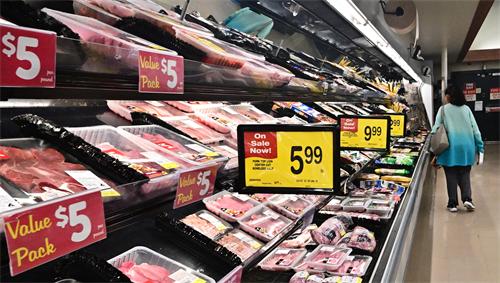
Ultra-processed foods remain significantly cheaper than healthier options: in many places, a healthy, minimally processed, or nutrient-rich diet is around 40-50% more expensive than a diet based on processed foods or starchy staples.
For example, in the UK, a recent analysis found that 1,000 calories of "healthy foods" (fruits, vegetables, whole foods) cost about £8.80, while 1,000 calories of less healthy foods, such as processed meats and ready meals, cost only £4.30. This is more than double the cost.
Health Consequences of Price Spikes
As the price of nutritious foods (fruits, vegetables, and animal-source foods) rises, people tend to choose cheaper, calorie-dense, and nutrient-poor diets. For every 10% increase in food prices, child wasting rates increase by 2.7% to 4.3%, and severe wasting rates increase by 4.8% to 6.1%.
Dietary diversity (i.e., consuming adequate amounts of a variety of food groups) is low in many countries. For example, only about one-third of children aged 6 to 23 months meet the minimum standard for dietary diversity, while about two-thirds of women aged 15 to 49 do so.
Why are healthy diets so expensive, while cheaper options remain available?
Food inflation and supply shocks: Prices of fruits, vegetables, dairy products, and animal-source foods have increased significantly and remain volatile. While processed foods and staple foods are also affected by inflation, their prices tend to be more stable and cost less per calorie.
Climate change and extreme weather: Droughts, high temperatures, floods, and erratic rainfall—all of these can reduce the yields of many nutritious crops and increase input costs (water, fertilizer, etc.).
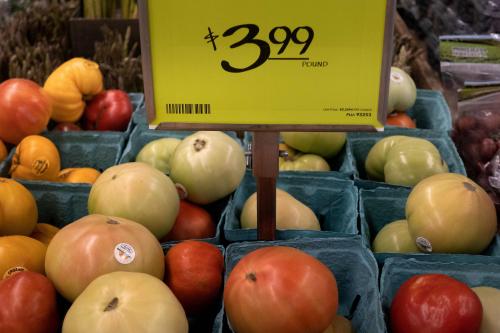
Production, supply chain, and trade issues: Nutritious foods often require more resources (land, water, labor), are perishable, and are vulnerable to disruption. Transportation, spoilage, and logistics are also crucial. Meanwhile, ultra-processed foods and staple foods are often produced, stored, transported, and marketed on a large scale to reduce unit costs.
Policies, subsidies, and market distortions: Government policies (or lack thereof) play a role. In some places, healthy foods are subject to higher taxes (such as import tariffs or VAT) or receive no subsidies, while staple grains or export crops may receive support. Furthermore, marketing, trade protection, and agricultural research and development often favor commodity crops or high-yield staples over a more diverse range of fruits, vegetables, and nuts.
What's Behind the Numbers?
What do these cost differences mean for health, society, and power dynamics? Here are some of the impacts:
Nutrition, Health, and Intergenerational Impacts
Child Malnutrition, Stunting, and Wasting: When diets lack essential nutrients, children suffer from both visible and hidden malnutrition: micronutrient deficiencies (such as iron, vitamin A, and zinc), impaired growth and development, delayed cognitive development, and increased susceptibility to disease. Rising prices for nutrient-rich foods exacerbate these risks.
Rise in Non-communicable Diseases (NCDs): Inexpensive diets high in refined carbohydrates, sugars, and processed fats, and low in dietary fiber and micronutrients, exacerbate obesity, type 2 diabetes, heart disease, and other metabolic disorders. Paradoxically, in many low- and middle-income countries, obesity and undernutrition coexist (a "double burden").
Economic Productivity and Health Care Costs: Poor health due to poor diet or NCDs imposes costs: reduced labor productivity, increased health care expenditures, and increased strain on social welfare systems.
Environmental and Climate Feedback Loops
With growing demand for high-yield, low-cost staple crops, agricultural systems may prioritize monocultures, which are more vulnerable to climate extremes and can reduce soil health. Meanwhile, nutrient-rich crops (fruits, leafy greens, and legumes) tend to require more water, more diverse soils, and higher labor inputs.
Climate change exacerbates yield and price volatility, which in turn affects the cost of healthy food. As prices rise, dietary diversity decreases, which can reduce resilience (both human health and ecosystem resilience).
New Insights and Surprising Findings
In addition to confirming long-suspected trends, recent research has uncovered some new and intriguing observations:
Using the "Healthy Diet Basket" as a benchmark: The Healthy Diet Basket (HDB) indicator, used by FAO, the World Bank, and their partners, is helping countries standardize the "cost of a healthy diet." The indicator uses national dietary guidelines and locally available foods to identify the least-cost way to meet healthy nutritional needs. The indicator suggests that even the "cheapest" healthy diet is too expensive for a large portion of the population.
The cheapest "healthy" diet is not the same everywhere: the cheapest diet depends heavily on the local food system. A country's healthy diet may require importing foods or foods that are scarce locally, driving up costs. Conversely, some countries with strong local agricultural sectors and a rich food diversity have lower costs for certain healthy food categories.
Cost-Emissions Trade-Off: A recent study measured not only the monetary costs but also the greenhouse gas (GHG) emissions associated with healthy diets. The study found that healthy diets with the lowest GHG emissions are more expensive than some other healthy diet options, but that these can be designed to minimize financial and environmental costs.
Risks and Opportunities
Without intervention, the gap between "cheap but unhealthy" diets and affordable, nutritious diets is likely to widen, especially with increasing climate change, supply chain disruptions, and persistent food inflation.
Rising costs could exacerbate unhealthy eating habits and increase the burden of obesity, diabetes, and cardiovascular disease. This could overwhelm health systems, especially in low-income countries.
Social and Political Instability: When large segments of the population cannot afford basic nutrition, discontent rises, migration pressures increase, and the potential for instability increases.
Growing global interest in sustainable food systems may be able to reconcile nutritional, environmental, and economic goals. For example, research is underway into diets that are both healthy and low-carbon. Policy frameworks like the Diet and Lancet recommendations offer models for this.
Technological and agricultural innovations, such as improved seed varieties, sustainable irrigation, and better logistics, can help reduce the cost of nutritious foods.
International cooperation: Food price shocks and climate impacts are global; trade, aid, and research sharing can help cushion the worst effects.
Shifting consumer behavior: Increased demand for plant-based proteins, pulses, and diverse diets can shift market incentives, enabling economies of scale that reduce costs.
The true cost of a healthy diet around the world goes far beyond monetary considerations. It involves issues of equity, health, environmental sustainability, and human potential. Rising food prices demonstrate that for many parts of the world, a healthy diet is not just a lifestyle choice but a luxury.
Addressing this issue requires coordinated action by governments, international institutions, the private sector, and communities. We need food systems that not only feed ourselves but also nourish others. Ensuring that healthy diets are affordable should be a global priority, as essential to human prosperity as clean air or water.