
Fermented Foods, Berries, and Bone Broth: The New Superfoods of 2025
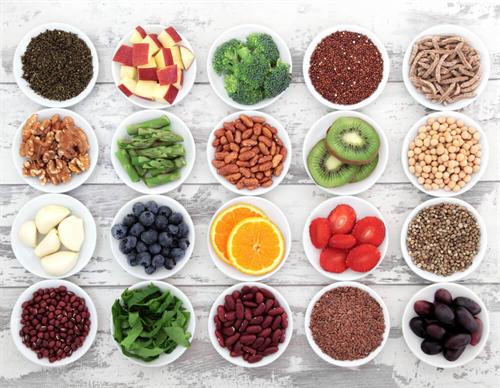
In 2025, our understanding of food continues to deepen in exciting ways. Researchers are moving beyond focusing on single nutrients and increasingly examining how whole foods interact with the microbiome, inflammation, and tissue health. Three food groups are showing particular promise: fermented foods, berries, and bone broth. Each offers unique benefits, but together they offer a powerful trio of benefits for gut health, metabolic resilience, immune balance, and connective tissue support. This article explores the benefits of these foods, the latest research, how to incorporate them into your daily diet, and the important considerations.
Fermented Foods: Microbes, Metabolites, and the Gut Ecosystem
Fermented foods have a long history, but they're enjoying renewed scientific attention for a reason. They're more than just a flavoring or preservative; they're functional systems—delivering live microorganisms, metabolic byproducts, enhancing nutrient bioavailability, and exerting ecological effects on the gut. Recent research suggests that regularly consuming fermented foods can improve gut microbial diversity, increase the abundance of beneficial bacteria like Lactobacillus, Bifidobacterium, and Akkermansia, and strengthen the intestinal barrier—all of which can help boost immunity and reduce inflammation.
A recent study highlighted the ability of fermented foods to modulate immune responses and potentially reduce the risk of metabolic and cardiovascular diseases by reducing inflammation, improving nutrient absorption, and inhibiting pathogens. However, these benefits are not universal or guaranteed. Some fermented products are pasteurized (which kills live microorganisms) or have limited microbial diversity, reducing their effectiveness. Furthermore, introducing these foods too quickly can cause digestive discomfort for some newcomers.
The most recommended fermented foods include active yogurt, kefir, sauerkraut, kimchi, miso, tempeh, natto, and kombucha. Consuming a variety of fermented foods helps nourish a diverse microbiome in the gut; variety is key.
Practical tips: Start with a small amount, choose products labeled "active cultures" or "with probiotics," avoid overly sweetened or highly processed products, and store them properly in a cool, dark, and well-sealed environment.
Berries: Small Fruit, Big Potency
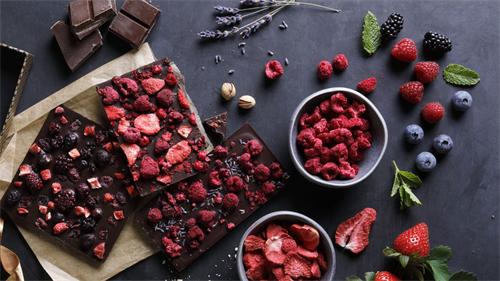
Berries remain among the most nutritious and versatile whole foods, especially in 2025. They are rich in polyphenols, antioxidants, fiber, and vitamins, and their ability to interact with the microbiome and cellular signaling pathways makes them powerful health allies. Reviews of edible berries (including neem, elderberry, goji berry, and gooseberry) highlight their antioxidant activity, anti-inflammatory effects, metabolic health, and brain and vision health.
A particularly strong finding from a randomized trial in postmenopausal women was that moderate consumption of blueberries (equivalent to less than one cup per day) improved net bone calcium retention compared with untreated patients. This suggests that berries may help slow bone loss in those at high risk for osteoporosis.
Another study found that foods rich in anthocyanins, such as many berries, may have a mild to moderate effect on improving bone markers and bone mineral density in middle-aged and older adults. While certainty remains relatively low, the trends are encouraging.
Berries may also benefit muscle health: Both animal and human studies have shown that berry-based diets can improve markers related to muscle strength or recovery, likely through their antioxidant and anti-inflammatory effects.
To maximize the benefits of berries: consume a variety of berries (different colors and types), choose whole or frozen berries over processed or sweetened ones, pair them with healthy fats to improve absorption of some phytonutrients, and regularly include them in meals and snacks.
Bone Broth: Collagen, Amino Acids, and Gut Barrier Support
Bone broth has been a part of traditional diets since ancient times, but only recently has research begun to quantify its composition and its health effects. Studies have focused on its amino acid profile—including glycine, glutamine, proline, and arginine—as well as its mineral content, such as calcium, magnesium, phosphorus, and zinc. Working together, these nutrients may help maintain or restore the integrity of the gut barrier, reduce intestinal permeability, reduce inflammation, and enhance nutrient absorption.

Bone broth has also been evaluated in the treatment of inflammatory bowel disease, with research suggesting that regular consumption may help regulate intestinal inflammation. While much of the evidence comes from laboratory or observational studies, the research is encouraging.
However, bone broth has limitations. The nutritional content of bone broth depends largely on how it's prepared: the type of bones used, whether cartilage is included, the simmering time, the acidity of the broth, and the ingredients used. Commercially available bone broths are often high in sodium, which can negate some of the nutritional benefits if consumed in large quantities.
To get the most out of bone broth: use high-quality bones, including joints or cartilage whenever possible, simmer for a long, slow time (12-24 hours), add vegetables and herbs for added nutrients and flavor, monitor sodium levels, and use the broth as part of a soup, stew, or sauce. Bone broth is best used as a supplement to other protein sources, not as a replacement.
How These Three Superfood Categories Work Together?
Fermented foods, berries, and bone broth don't work in isolation; their effects often potently reinforce each other.
Microbiome Synergy: Fermented foods introduce beneficial microbes; berries nourish these microbes and produce beneficial microbial metabolites; bone broth helps maintain the integrity of the gut barrier, keeping the byproducts of microbial activity where they belong (in the gut) and not triggering systemic inflammation.
Multi-faceted Anti-Inflammation: Every food contains compounds and factors that modulate inflammation. Fermented foods exert their regulatory effects through active microbes and organic acids; berries provide antioxidants and flavonoids; and bone broth provides amino acids like glycine and arginine, as well as minerals that support repair.
Bone and Connective Tissue Health: Berries may positively impact bone mineral density; bone broth provides collagen breakdown products and minerals; and fermented foods may improve nutrient absorption and reduce inflammatory bone resorption.
Flavor, Variety, and Consistency: These foods can be combined in a variety of ways—with yogurt or kefir berries for breakfast, as a fermented vegetable side dish, in broth, and as a snack or dessert. The blend of flavors and textures helps make these foods more palatable and maintain long-term consumption.
Recent Findings You Should Know
● Anthocyanin-rich foods may improve lumbar spine bone density in older adults with osteoporosis.
● Moderate consumption of blueberries improves net bone calcium retention in postmenopausal women.
● Fermented foods may increase microbial diversity, support intestinal barrier function, and reduce risk markers for metabolic disease.
● Bone broth shows potential to maintain intestinal barrier integrity and reduce intestinal inflammation, but more human trials are needed.
Precautions, Risks, and Responses
First, the strength of the evidence remains mixed. Animal studies and small-scale human trials dominate in many areas, particularly for bone broth and certain berries. Some benefits are modest or depend on other dietary or lifestyle factors.
Second, digestive tolerance is real: For people with gastrointestinal sensitivities, irritable bowel syndrome (IBS), small intestinal bacterial overgrowth (SIBO), oligofructose (FODMAP), or histamine intolerance, fermented foods and even certain broths may initially cause discomfort. A gradual introduction can help.
Third, nutrient content and quantity vary widely. For example, one batch of bone broth may be rich in minerals and collagen, while another crudely prepared batch may contain very little. Similarly, fermented foods may be heat-treated or pasteurized, removing most of their microbial content.
Fourth, sodium content can be high, especially in commercial broths and many fermented vegetable products. This is important for those monitoring blood pressure or cardiovascular risk.
Finally, allergies or dietary restrictions are also important. Dairy-based fermented foods can cause problems for those with lactose intolerance or dairy allergies; soy-based fermented foods may trigger thyroid issues or soy allergies; and those who avoid animal products may miss out on bone broth altogether unless they use plant-based alternatives or supplements.
Practical Tips for Daily Diet
● To incorporate these superfoods into your life, follow these strategies:
● Start your day with yogurt or kefir paired with mixed berries and nuts.
● Substitute bone broth for water in soups, stews, and even when cooking grains.
● Add some sauerkraut, kimchi, or pickles to your meals for added flavor and a boost of beneficial microbes.
● Snack on fresh berries or save frozen ones for smoothies and baking.
● Make your own bone broth and fermented foods to control sodium and quality.
● Rotate different types of berries, fermented foods, and broth recipes to maximize nutritional diversity.
The rise of fermented foods, berries, and bone broth in the superfood discussion reflects a broader shift toward viewing food as an ecosystem—one that nourishes not only our cells but also our microbiome, connective tissue, immune system, and even our mental health. While none of these foods is a panacea, when consumed together over the long term, they can support health in multiple ways: improving the gut barrier, reducing inflammation, strengthening bones and tissues, and balancing metabolism.
By 2025, our expectations should be realistic: these foods are powerful allies, not replacements for medical care, adequate sleep, exercise, or a balanced diet. As more large-scale trials emerge, we will learn more about optimal dosages, individual differences (such as microbiome diversity and health status), and how to best combine them.