Why Gen Z is Boosting Their Fiber Intake with Foods Like Prunes and Chickpeas?

Amidst the ever-changing landscape of food trends, few would have predicted that prunes, lentils, and chickpeas would become social media darlings. However, thanks to TikTok and a new generation of consumers obsessed with health and authenticity, fibermaxxing—the deliberate increase in dietary fiber intake—has taken center stage. What was once a diet quietly recommended by nutritionists has become a bold, proud health symbol, especially among Gen Z.
But what sets this trend apart from other diets like keto or juicing? Why are Gen Z pantries stocked with dried fruits, beans, and seeds, rather than protein powders and detox teas? Can this movement ultimately bridge the gap between fad diets and evidence-based nutrition?
What is fibermaxxing?
The term "fibermaxxing" is internet slang, part humor, part seriousness. It reflects the online culture of "maxxing" (pushing something to the extreme) but applies it to the world of nutrition. Simply put, fibermaxing involves intentionally consuming more fiber than the average person consumes, typically from natural, plant-based sources.
While nutritional guidelines recommend approximately 25 grams per day for women and 38 grams per day for men, most Americans consume only about 15 grams. Fibermaxing challenges this norm by aiming to increase intake—sometimes by double the minimum recommended intake.
Importantly, it's not a restrictive diet. Unlike diets that emphasize reducing carbohydrates or sugar, a fiber-maximizing diet focuses on increasing nutrients: eating more beans, more green vegetables, more grains, and more fruit. It reframes dieting as a positive pursuit rather than a list of taboos.
Why Gen Z is Leading the Fibermaxing Movement?
Several cultural and societal factors explain why Gen Z has embraced this trend so enthusiastically:
1. A Gut-Health-Focused Generation
Gen Z grew up in an era when probiotics, kombucha, and microbiome research became mainstream. They were taught early on that gut bacteria influence not only digestion but also mood and immunity. Fiber, as essential "food" for healthy gut microbes, naturally became a focus.
2. The TikTok Effect
Food trends on TikTok spread at lightning speed. Simple high-fiber tips—like adding chia seeds to water or making chickpea cookie dough—have garnered millions of views. Unlike elaborate commercials, these videos are authentic and accessible, fostering adoption.
3. Rejecting Restrictive Diets
Unlike Millennials, who grew up with low-fat diets and juice cleanses, Generation Z is skeptical of these diet-driven trends. Fibermaxing feels empowering: you eat more, not less, while maintaining health benefits like improved skin, digestion, and energy.
4. Eco-Friendly Eating
Fiber-rich foods—beans, vegetables, and grains—are mostly plant-based, sustainable, and affordable. For a generation concerned about climate change, swapping beans for beef is both a dietary and environmental win.
5. Growing Health Concerns
Rising rates of colorectal cancer among young people have sparked concerns about diet and lifestyle. Because high fiber intake is strongly associated with a reduced risk of cancer, maximizing fiber intake is seen not only as a trend but also as a preventative measure.
A Brief History of Fiber in Food Culture
Fiber may be trendy now, but its health benefits have been recognized for decades:
1960s and 1970s: Researchers such as Dr. Dennis Burkitt found that high-fiber diets in African populations were associated with lower rates of colon cancer and chronic diseases. This sparked early Western interest in roughage and whole grains.
1980s: "Bran fever" took hold. Fiber-rich cereals and bran muffins were labeled health foods.
21st Century: Fiber was overshadowed by low-carb diets like the Atkins and Paleolithic diets, which demonized legumes and grains.
2010s: The rise of gluten-free and keto diets once again pushed grains aside, but fruits and vegetables remained valued.
2020s: With booming gut health research and a focus on sustainability, fiber has once again become a nutritional hero—this time in the hands of Generation Z, who are reintegrating it into their culture.
Fibermaxxing's Key Products
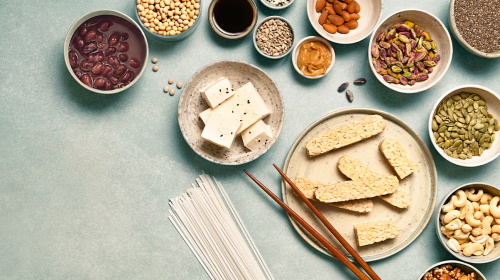
The foods that have garnered the most attention in this movement are often humble, affordable, and versatile. Here are some popular choices:
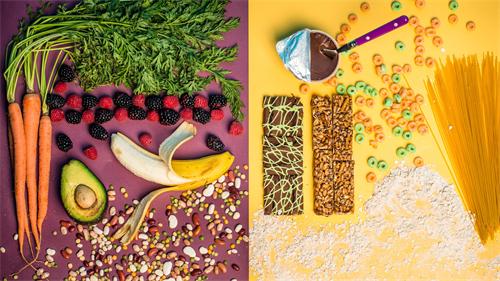
Prunes: Once considered a "grandma food," prunes are rich in soluble fiber and sorbitol, which aid digestion and promote satiety. TikTok has repositioned them as a sweet, chewy snack or smoothie addition.
Chickpeas: From hummus to baked, crispy snacks, chickpeas are the poster child for fiber in Generation Z's diet. Rich in fiber and protein, chickpeas satisfy a variety of needs.
Chia seeds: Chia seeds' ability to absorb water and form a gel makes them a popular addition to overnight puddings and trendy "chia water."
Lentils and beans: Affordable, filling, and adaptable, they're the backbone of a high-fiber diet.
Whole grains: Oats, quinoa, barley, and farro provide slow-release energy and fiber diversity.
Vegetable powerhouses: Cauliflower rice, kale chips, and roasted carrots are all popular with Gen Z for their versatility in meal prep.
Fruits: Berries, apples, pears, and avocados provide not only fiber but also antioxidants, making them Instagram-worthy additions to your bowl.
The Health Benefits of Fibermaxing
● Science backs up this claim. A high-fiber diet has been shown to benefit multiple systems:
● Digestive regularity: Insoluble fiber adds bulk to stool, preventing constipation.
● Gut microbiome support: Fiber nourishes beneficial bacteria, which produce short-chain fatty acids that protect the intestinal lining and reduce inflammation.
● Cholesterol Control: Soluble fiber binds to cholesterol in the digestive tract, lowering LDL ("bad") cholesterol.
● Blood Sugar Regulation: By slowing the absorption of carbohydrates, fiber helps prevent rapid blood sugar spikes, supports energy stability, and reduces the risk of diabetes.
● Weight Management: A high-fiber diet increases satiety and naturally reduces calorie intake, even without restriction.
● Longevity: Studies have linked a fiber-rich diet to a lower risk of cardiovascular disease, cancer, and early death.
For Generation Z—who care about both short-term health (clear skin, reduced bloating) and long-term disease prevention—fibermaxing can tick all the boxes.
Expert Insight: A Balanced Approach
Health experts are cautiously optimistic about this trend. While fibermaxing has clear benefits, they warn against overdoing it too quickly.
● Start Slowly: Suddenly increasing fiber intake from 10 grams to 40 grams per day can cause bloating, cramping, or gas. Increase fiber intake gradually to allow your gut to adjust.
● Stay Hydrated: Fiber absorbs water. Without adequate hydration, this can backfire and cause constipation.
● Variety is crucial: Both soluble fiber (oats, apples) and insoluble fiber (nuts, whole grains) are important. Relying solely on a single source can limit its benefits.
● Listen to your body: Too much fiber can interfere with nutrient absorption or medication effectiveness. Maintaining balance is key.
Fibermaxing may have started as a playful TikTok trend, but it represents something deeper: a generational redefinition of health. Prioritizing "addition" over "restriction," Generation Z is shifting the nutritional conversation toward abundance, sustainability, and long-term health.
Whether it's prunes in smoothies, chickpeas in brownies, or lentils in stews, fiber is finally having its cultural moment. If this trend continues, future generations may benefit beyond just trending recipes—they may inherit a healthier, more fiber-rich world.